Memory, Learning, and Montessori
Memory is such a critical component of learning. We perhaps take this for granted without fully understanding how memory works and how to support our children in the process of creating and retrieving memories.
What is memory?
Memory is essential to being human. Our brains have evolved to remember what is most meaningful. That being said, we also tend to forget things! Interestingly enough, not remembering is often just a case of not giving our brains enough input to support the creation and retrieval of the memory.
How are memories created?
We take in a great deal of information through our senses. This perception includes the
sensory, emotional, and factual components of experiences. In order for any of that information to become a memory, our brains have to create and connect all those bits of information into a pattern of neural activity. That pattern persists in a structural change that is created in our neurons. This pattern can later be re-experienced (or remembered) by reactivating the neural circuit.
There are four steps to this process of creating a memory:
- Encoding
- Consolidation
- Storage
- Retrieval
Encoding is basically just the process of capturing information through sights, sounds, emotions, the meaning of what we perceive, and what we pay attention to in the moment. This information is changed into a neurological language.
Consolidation is the brain’s process of linking activity into a single pattern of connections and associations. Consolidation is a time-dependent process and it can be disrupted or impaired. If a new memory is in the process of consolidation and something interferes, then the memory can be lost or degraded.
Storage is a pattern of activity that is maintained over time through chemical changes in neurons and create physical/structural changes in the brain. Then through retrieval, we reactivate the same connections so we can revisit, recall, or recognize what we learned or experienced previously
All four of these steps have to happen to create a long-term memory that can be consciously retrieved.
Why is this significant?
If we want to remember something, we need to notice what is happening. This requires perception and attention. We might perceive something, but if we don’t actively give it attention, the neurons activated during perception won’t be linked and a memory won’t be formed. In other words, memory is not like a video camera. Our memory can only capture and retain what we give our attention to.
When children (and adults, too!) forget things it is because they didn’t give it attention in the first place. It’s worth noting that paying attention isn’t always easy for the brain. We pay attention to things that are interesting, new, emotional, or important to us in some way. Those are the details our brain captures. The rest we ignore and forget. Paying attention requires a conscious effort. We have to wake up the brain and become consciously aware to remember something.
Memory & Montessori
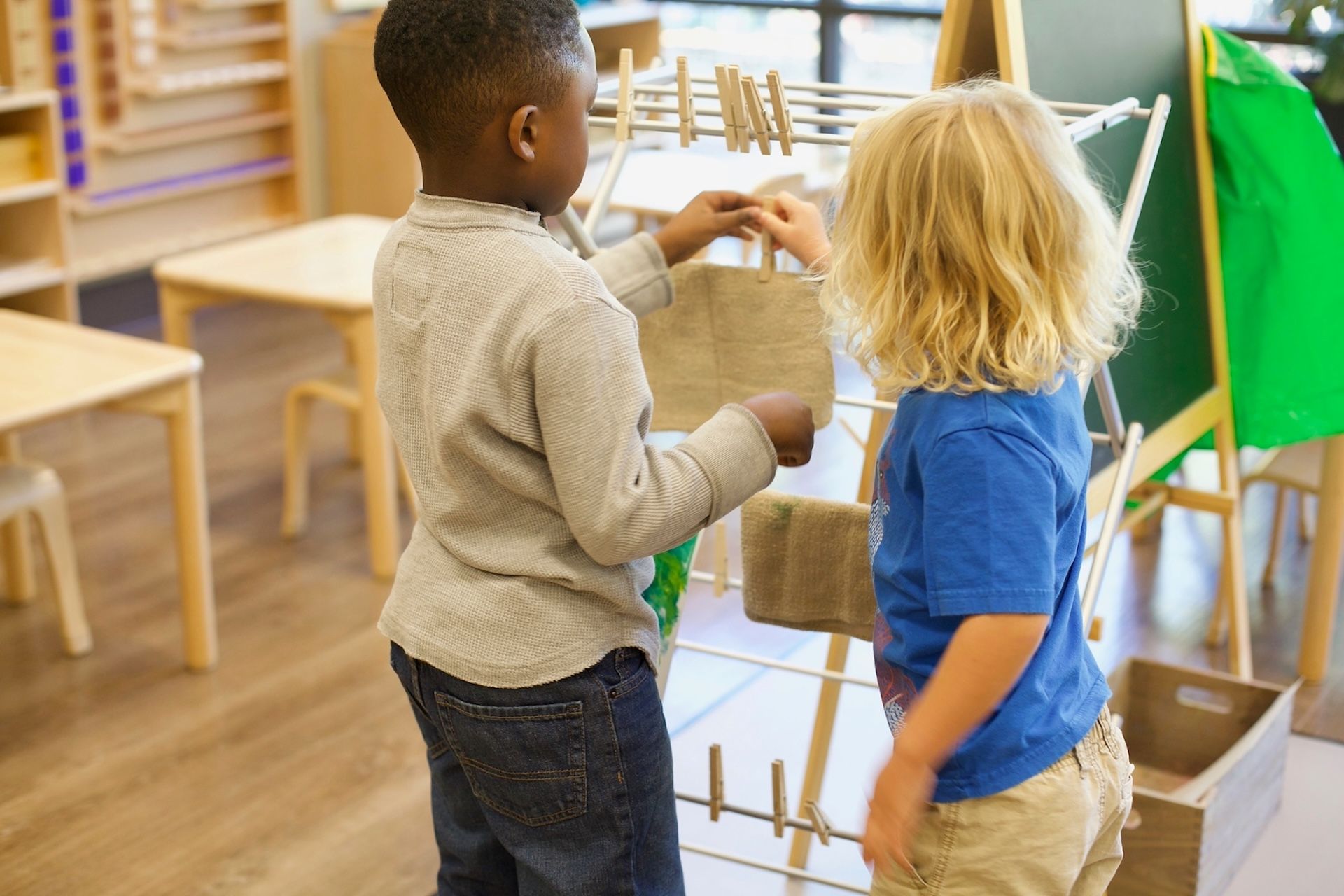
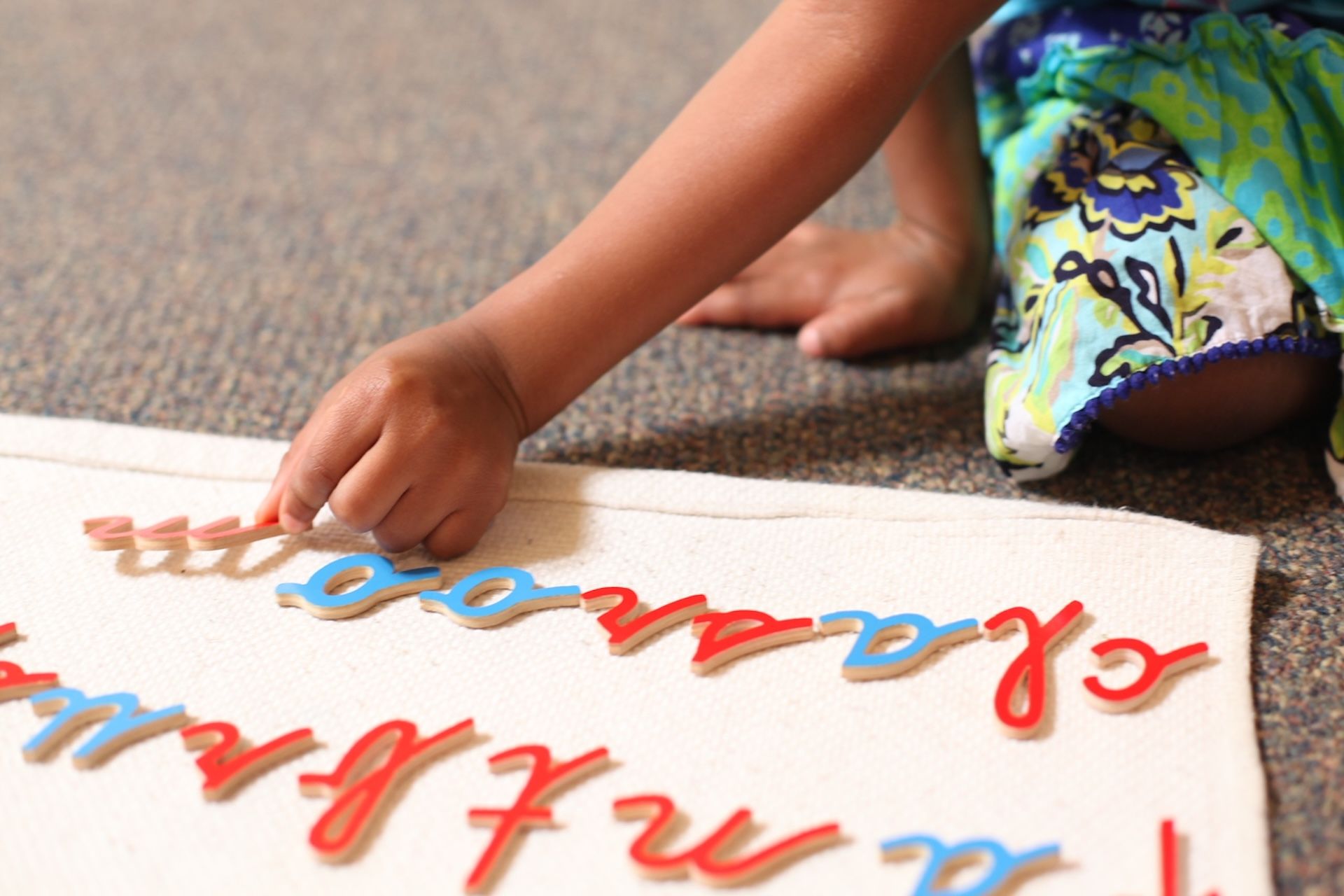
With all this in mind, we can see how learning is going to be most effective when our children have a connection to the content. Basically, it’s easier for children to learn things that they are interested in. In a Montessori classroom, children have the freedom and opportunity to focus on learning information and skills that are personally exciting and inspiring. As a result, the process feels less like school and more like play.
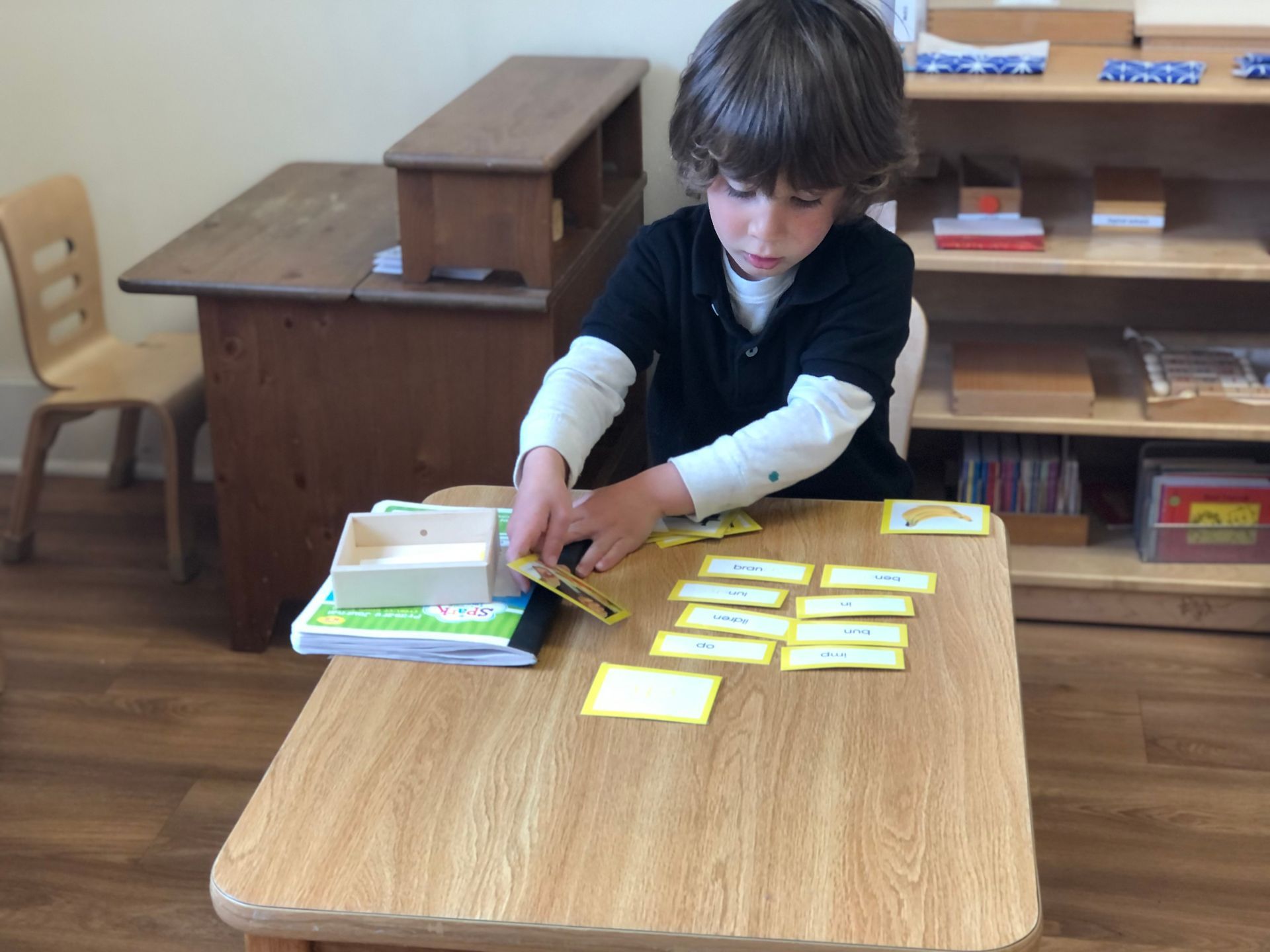
Also, remember how the formation of memories depends upon the process of consolidation (something you read just a few paragraphs before)? Well, because consolidation can be disrupted by any interference, it’s important for children to have uninterrupted time to engage in their learning. They need to be able to focus without having to regularly shift gears. In Montessori, a three-hour work cycle allows children to settle into their learning and fully consolidate the information they are encountering. They have the time and space to allow their brains to link their activities into a pattern of connections and associations.
Focusing on the Positive
If you’ve ever heard the reminder to water the flowers rather than the weeds, you’ll appreciate the power of paying attention to positive experiences. There is a neurological reason why this matters. If we invest our attention toward positive things, those are the experiences that we will consolidate into memories. If we pay attention to the negative, that is what we will synthesize and store. We find what we are looking for because that is what we paid attention to in the first place!
Again, this is applicable to Montessori education where we focus on what children are doing right. Plus, we use opportunities to reteach skills so children can be successful and experience a positive feedback loop. As a result, children can enjoy learning, which then becomes self-perpetuating as they find engaging activities, interesting information, and meaningful accomplishments throughout their lives.
If you are interested in learning more about memory, be sure to read Remember: The Science of Memory and the Art of Forgetting by Lisa Genova.
Subscribe to our Blog
You might also like