Our Montessori Bookshelf: Wordless Picture Books Part 2
Alicia Nunzianto • July 31, 2023

Because we love wordless picture books so much, we wanted to share a few more of our favorites. If you are exploring wordless picture books for the first time, or have been enjoying them for quite a while, we hope you enjoy this collection. 


If you are looking for some new ways to “read” wordless picture books, we offer these tips:


  1. When you first look at the book, think about the experience as a picture walk. Notice and discuss the illustrations and details, especially how they tell a story of what is happening.
  2. The next time you explore the same book, take time to name what is happening on each page. This is a little bit like constructing the outline of the story.
  3. The third time you “read” the book, narrate the story as if you were reading text.
  4. After these experiences, invite your child to use their own words to tell the story of what they see. 


These steps strengthen children’s ability to be storytellers. As they “read” wordless picture books, they build the skills for their own future story writing. 


Just a quick reminder that the books we are sharing are grounded in the real world. There are some wonderful fantasy-based wordless picture books for older children, too. Our two-part collection is appropriate for any age!


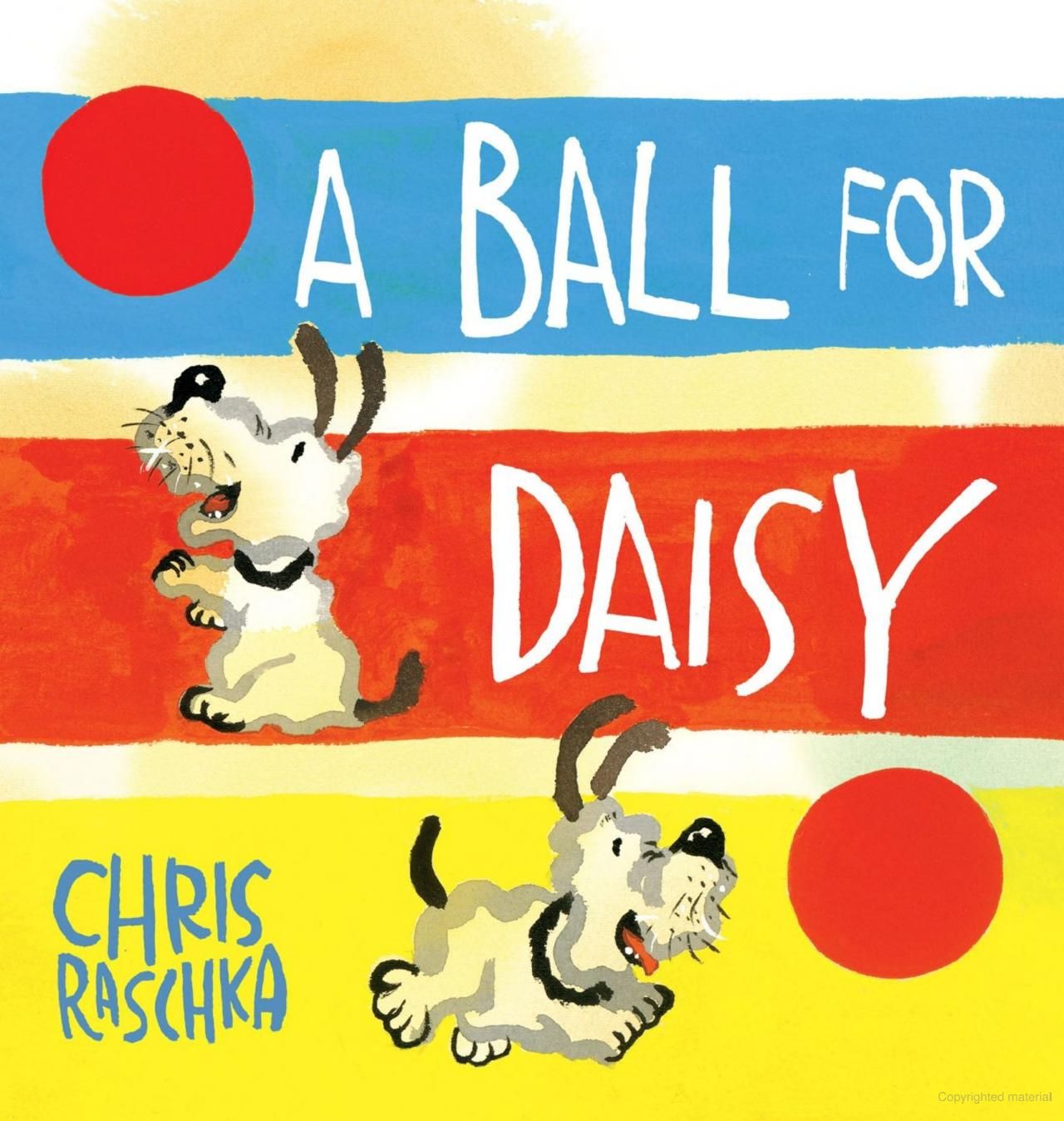
A Ball for Daisy

By Chris Raschka

Adolescence: Time of Transformation

This award-winning book shows a bit of life from a dog’s perspective. The story begins with Daisy, the dog, and her big red, beloved ball. When Daisy goes on a walk and another dog plays with (and bursts) the ball, Daisy tries to still use it but to no avail. The kindness of children shines through and Daisy gets a new ball (as well as a new friend). 


Float

By Daniel Miyares
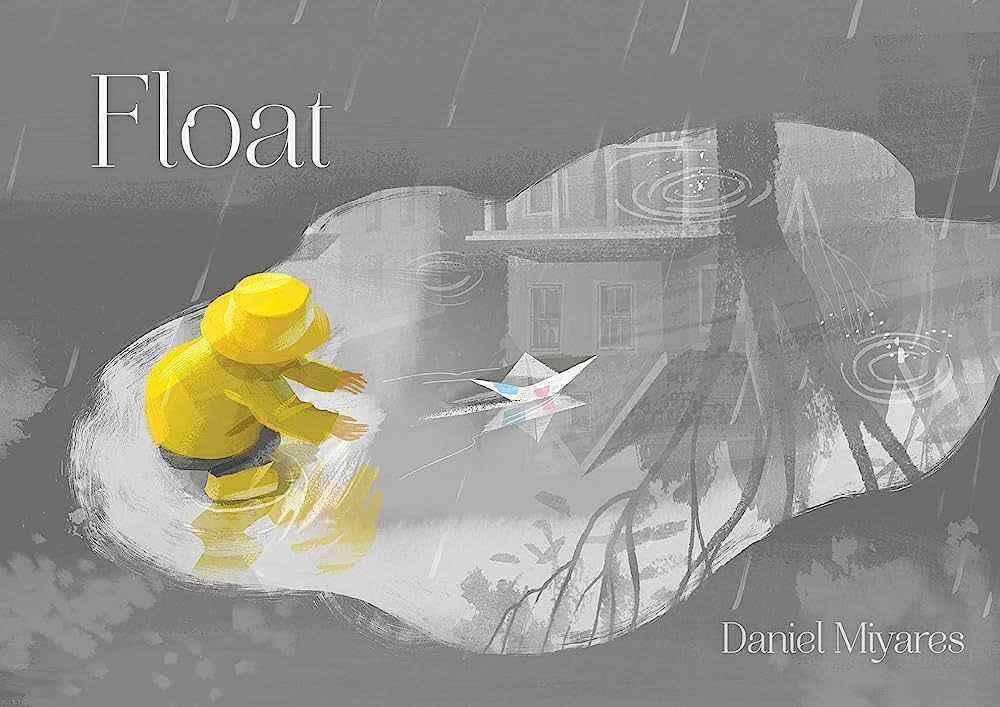
A simple origami boat leads a young boy on a neighborhood adventure. The story begins with a bit of rain and puddles of fun. But what happens when the boat drifts away and through the grate? The arc of the story, as well as the use of color in this book, bring a resounding sense of a young child’s struggle, the support that allows for resilience, and the joy of possibility.


Found

By Jeff Newman and Larry Day
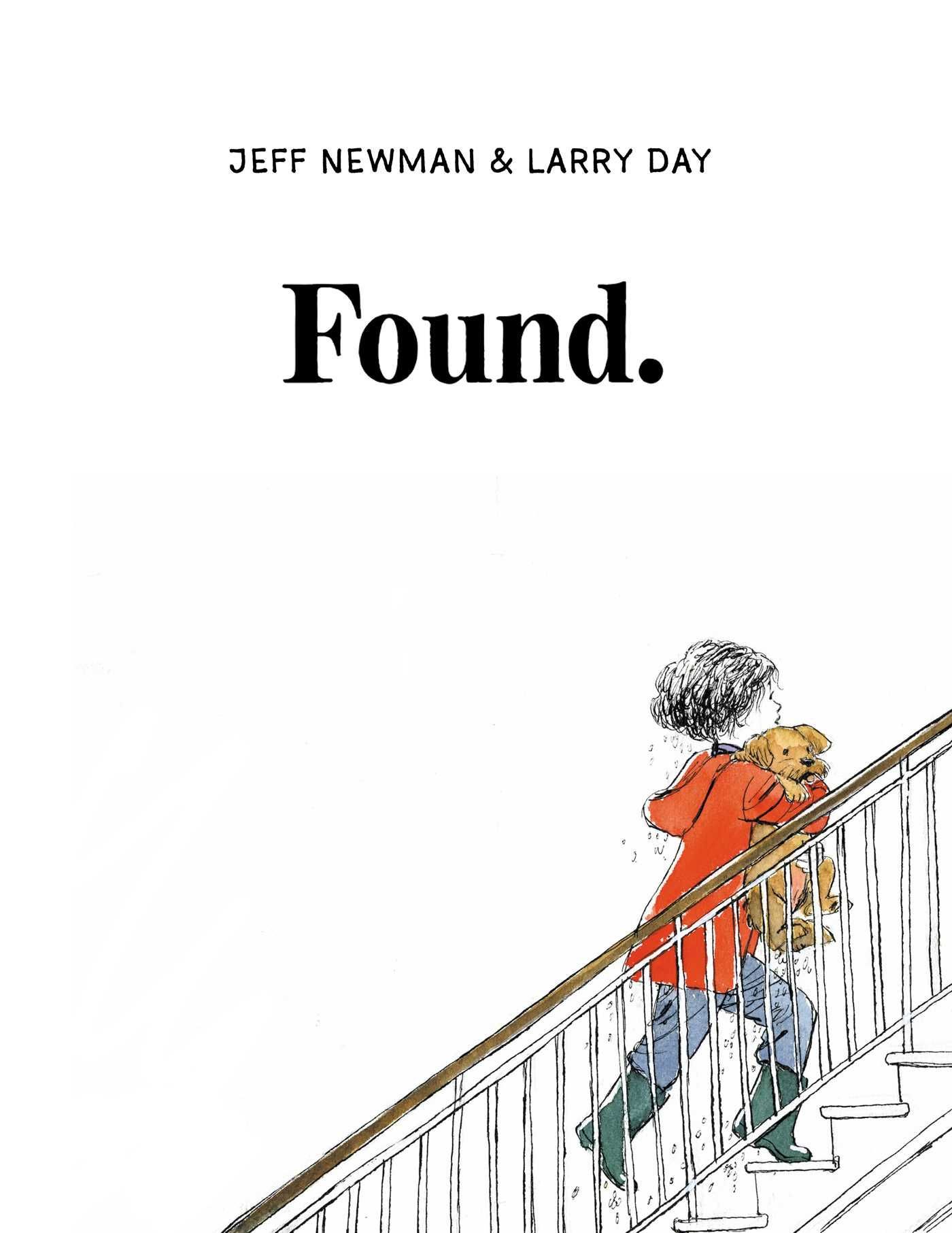
This lovely story of loss and connection begins with a girl gazing sadly out her window and a little dog in the rain. The simple line drawings, with just the right splash of color, give us clues about the girl’s own lost dog as she brings this new pup into her care. We witness the two bonding only to discover that this dog is someone else’s lost pet. The story unfolds with the girl’s internal struggle (brilliantly illustrated), her decision to return the dog to its owner, and her discovery of another dog wanting to be found. 


The Lion & The Mouse

By Jerry Pinkney
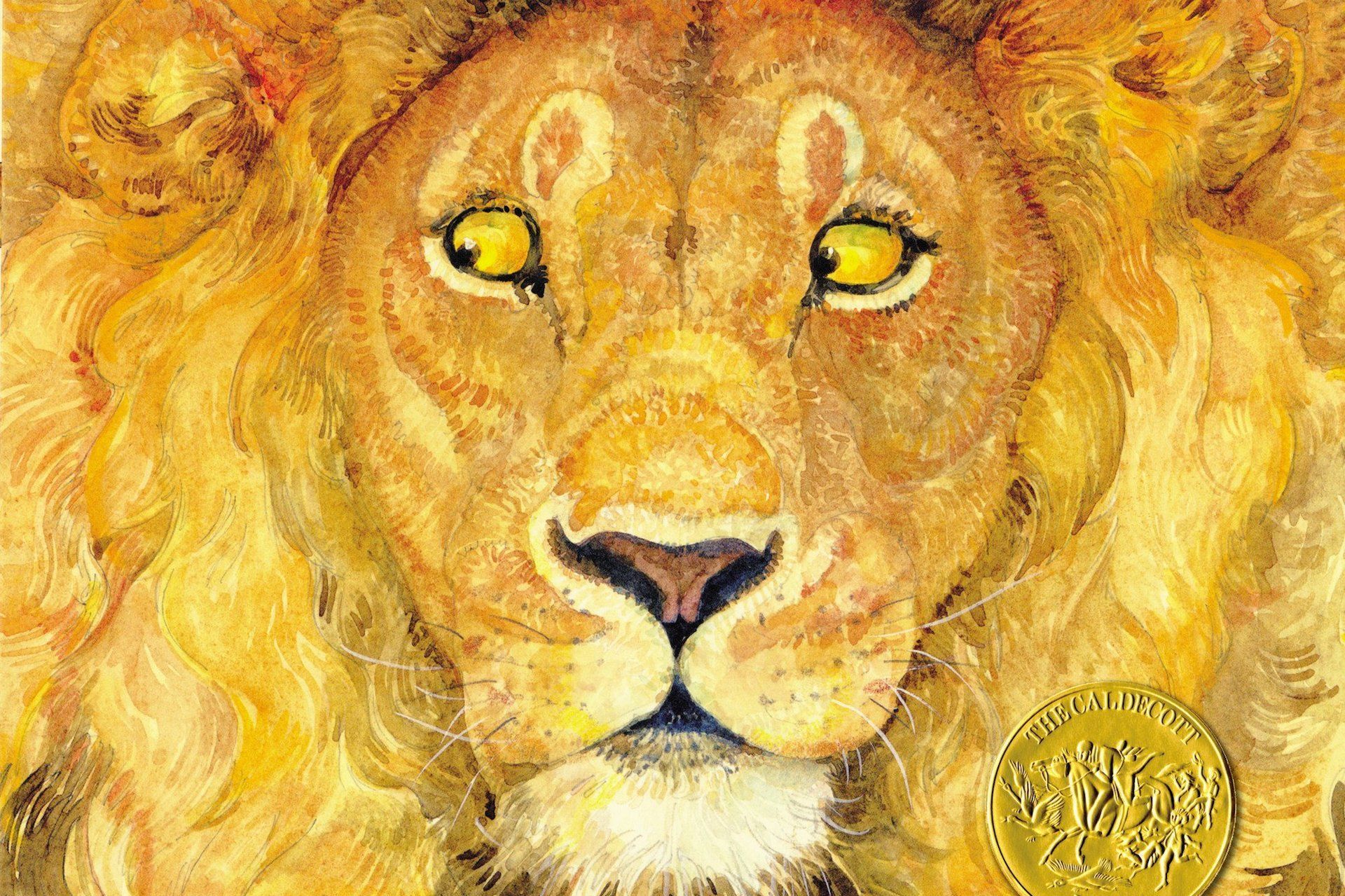
Based on Aesop’s fable of the same name, this richly illustrated book uses every space on the page to show the expansiveness of the African Serengeti and the power of relationship. The story begins when a mouse escapes an owl, only to find itself on the back of a lion. Given the gift of freedom, the mouse returns the favor when the lion gets caught in a trap. The illustrations are enhanced by the sounds in written form. The squeaks, growls, roars, and scratches remind us of the power of communication in all its forms!


Mirror

By Jeannie Baker
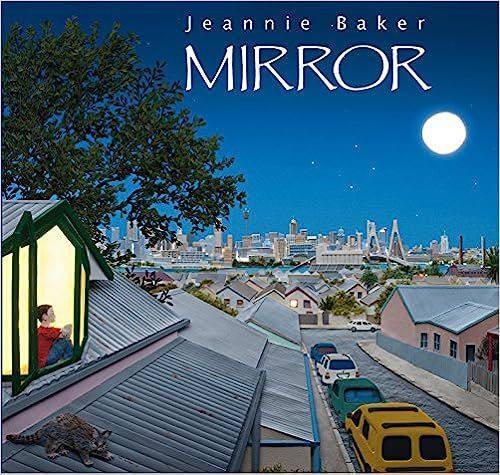
Inspired by her travels and the idea of seeing ourselves reflected in those who could be considered strangers, Baker has created two stories within one book: one set in southern Morocco and the other in her home of Sydney, Australia. Each story follows a family throughout their day, from waking up to meals to errands to time as a family. The lives of the boys in each story may look very different, yet Baker offers a delightful challenge to find what connects them. 


That Neighbor Kid 

By Daniel Miyares
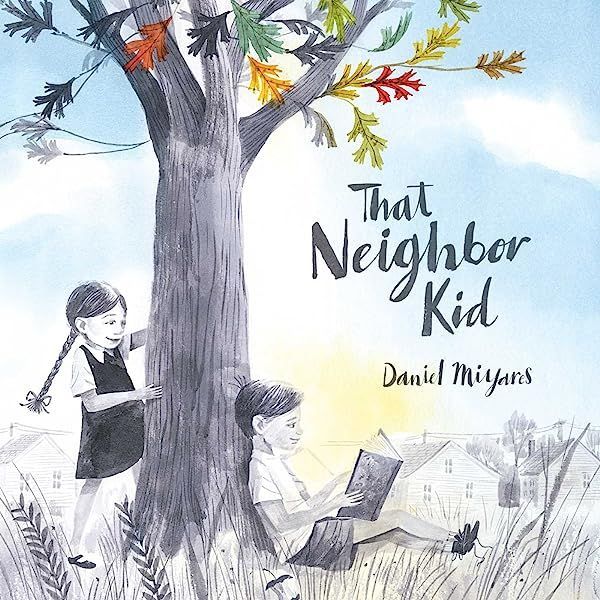
When a new boy moves in next door, a young girl’s curiosity gets the best of her especially after he uses planks from the fence to create a ladder up a tree. When she goes to investigate, she discovers not only a new friend but also the power of collaboration. As they create a treehouse together, even the leaves of the tree come to life with color and joy. 


Click here for a downloadable PDF of this booklist! We hope you and your children enjoy these books as much as we do!


Subscribe to our Blog

You might also like
By Danielle Giordano February 4, 2026
The body content of your post goes here. To edit this text, click on it and delete this default text and start typing your own or paste your own from a different source.
By Danielle Giordano January 30, 2026
In Montessori elementary classrooms, we like to introduce big ideas with big stories. We offer children a sense of wonder first, sort of like an imaginative doorway, so that when they later study formulas, theorems, and proofs, they already feel connected to the human story behind them. One of these stories is The Story of How Geometry Got Its Name, an introduction to a subject that is far older than the textbooks and protractors we encounter today. In Montessori, Geometry is more than about shapes. It is about human beings solving real problems in the real world. A Problem as Old as Civilization To introduce geometry, we take children about five thousand years back in time to the ancient civilization of Egypt. This was a land shaped by the , the longest river in the world. Each year, the Nile flooded its banks as snowmelt poured down from the mountains far to the south. The Egyptians depended on this yearly flood as it left behind rich, dark silt that nourished their crops and made life possible in an otherwise harsh desert. But the flood created a challenge, too. It washed away the boundary markers that separated one farmer’s field from another. When the waters receded, no one could quite remember where their land began and ended. Arguments ensued. “This corner is mine!” And the fields needed to be measured and marked again. The First Geometers: The Rope Stretchers To solve this annual problem, the Egyptians relied on a special group of skilled workers called the Harpedonaptai, or Rope Stretchers. These were early land surveyors who used a knotted rope tied at regular intervals and three weights to create a very particular triangle. In the classroom, we invite a few children to hold a prepared rope at its large knots, forming that same triangle. As they stretch it out and lay it on the ground, many quickly recognize what the Egyptians had unknowingly created: a scalene right-angled triangle. This shape would later become central to the geometry studied by Greek mathematicians. The Rope Stretchers used this simple tool to re-establish field boundaries, set right angles, and make sure the land was measured accurately and fairly. Geometry, in its earliest form, served a deeply practical purpose. From Rope to Pyramid The Rope Stretchers’ expertise was valued far beyond the farmlands. They also helped lay out the foundations of temples, monuments, and even the Great Pyramid of Giza. The base of the Great Pyramid is a perfect square, which is an astonishing feat of measurement and design. The Pharaoh himself oversaw these measurements, but it was the Rope Stretchers who executed them. Their work represents one of humanity’s earliest recorded sciences: the careful measuring of the earth. How Geometry Got Its Name The name geometry reflects this ancient practice. It comes from two Greek words: gê — earth metron — measure Geometry literally means earth measurement. The Egyptians did not use the language of right angles, nor did they classify triangles as we do today. Their work was grounded in practical needs. They needed to solve problems, organize land, and create structures that would endure for thousands of years. Yet their discoveries influenced later thinkers like Pythagoras, who likely traveled to Egypt and learned from their methods. Over time, the simple knotted rope inspired a whole discipline devoted to understanding lines, angles, shapes, and the relationships between them. Why We Tell This Story in Montessori When Montessori children hear this story, something important happens. Geometry becomes more than a set of rules or vocabulary words. It becomes a human endeavor born from curiosity, necessity, and ingenuity. This is the heart of Montessori’s cosmic education: helping children see knowledge not as isolated subjects, but as gifts from generations before them. When children pick up a ruler, explore angles with a protractor, or classify triangles in the classroom, they are continuing a legacy that began with those early Rope Stretchers on the banks of the Nile. Through story, children feel connected to the people who shaped our world and to the problems that inspired great ideas. Schedule a tour today to see how geometry becomes meaningful, purposeful, and alive for our children here in Old Saybrook, CT.
Gratitude: Why We Celebrate the Unsung Heroes
November 25, 2024
As elementary children admire heroes, Montessori uses this to inspire leadership, cooperation, and appreciation for both known and unknown heroes.
More Posts