Our Montessori Bookshelf: Wordless Picture Books
Even though they don’t have a written narrative, wordless picture books can be an essential part of young children’s language development. These books have pictures but no text and are often classified around a theme or sequence that is familiar to children. In our toddler and primary classrooms, we have two or three of these books on a shelf at any given time and rotate them throughout the year. Because young children are still distinguishing between what is real and what is of the imagination, we also make sure that the books are plausible, rather than focused on fantasy or imaginary themes. Really, we just take care to choose books that highlight the wonderful world as it really is.
As our students get older (even into the elementary years), we use wordless picture books to help with storytelling, sequencing, and making predictions. Taking a “picture walk” through the story helps children interpret visual clues and helps lay the foundation for becoming better readers.
After children have had time to explore a wordless picture book, we may ask them to share their interpretation of what is happening in the story. Children love dictating the story for an older peer or adult to scribe, creating speech bubbles, or even writing their own narration to accompany each page.
When “reading” a wordless picture book with your child or children, you can describe the illustrations, ask questions about what they see, and even encourage narration of a story to accompany the pictures.
by Mitsumasa Anno
https://www.goodreads.com/en/book/show/1076038
This classic book with its full-page, detailed illustration shows the progression of one person’s exploration across a European countryside. The discerning eyes of children find all sorts of delights and connections across the pages. In addition, Anno has woven in treasures for more advanced searching, such as scenes from famous stories and paintings, as well as numerous cultural references. This is a wordless picture book that children can easily lose themselves in for an extended period of time.
by Mercer Mayer
https://www.goodreads.com/en/book/show/654093
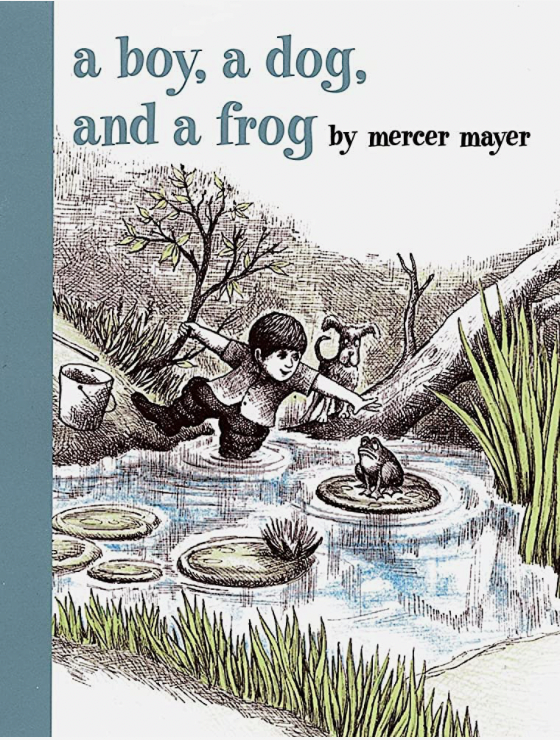
This book is part of a collection of perfectly sized books for little hands. Each title (Frog on His Own, Frog Goes to Dinner, One Frog Too Many, and A Bog, A Dog, A Frog, and a Friend) provides an illustrative journey of all sorts of backyard adventures, often spurred on by the frog who hops into a heap of trouble (or fun, depending upon one’s perspective!). Particularly pleasing is the ease and comfort of the boy in his outdoor ramblings.
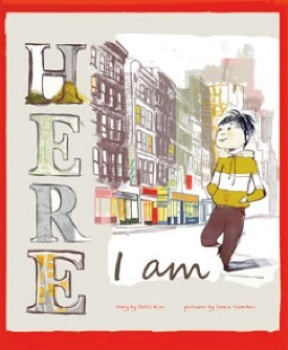
story by Patti Kim, pictures by Sonia Sánchez
https://www.goodreads.com/en/book/show/17658592
With its more complex story line, this wordless picture book is probably best suited for slightly older children, although the vivid and textured illustrations appeal to any age. The story follows a child immigrating from one country to another and portrays the emotional journey of what it means to move from loss into a feeling of belonging. After your child consumes this lovely tale of connection, be sure to take a peek at the author’s moving letter at the end at the end of the book.
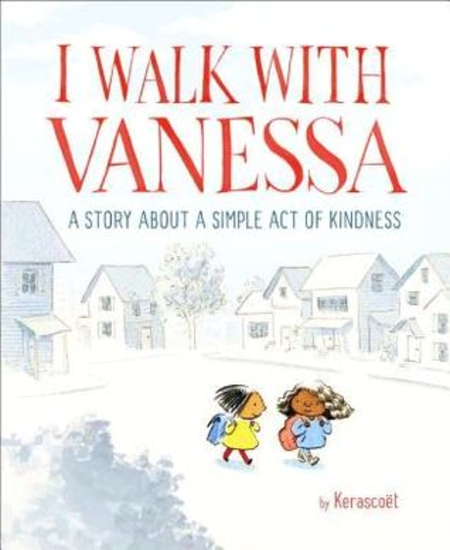
I Walk with Vanessa: A Story About a Simple Act of Kindness
by Kerascoët
https://www.goodreads.com/en/book/show/35758098
The story begins with images of a young girl, Vanessa, moving and starting at a new school. The other children go about their day not really noticing her. But then the pictures zoom in to a scene as they all leave school, when a child is scary and mean to Vanessa. Another child notices, though, and eventually realizes she can take the initiative and walk with Vanessa to school. This one small act changes everything for Vanessa (and maybe even the boy who was being unkind). The author also shares some resources to help children and adults when confronted by bullying behavior.
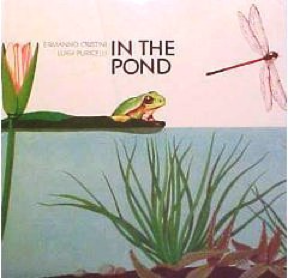
by Ermanno Cristini and Luigi Puricelli
https://www.goodreads.com/book/show/2114487.In_the_Pond
In the Pond is a must have book for those young nature lovers who can’t get enough of seeing ecosystems in action. Each page highlights a section of the pond and provides an elegant piece of the puzzle of life moving through the water, hovering at the edge, and slipping into the scene. At the end of the book, we get to see the whole array of pages put together, complete with a key identifying each of the 33 organisms represented.
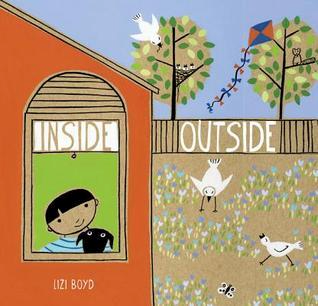
by Lizi Boyd
https://www.goodreads.com/en/book/show/15015619
The pages of this book take us on a seasonal journey moving back and forth from inside a child’s home and the backyard. This delightful book features small windows that show the dynamic link between these two spaces, while also providing a new view or focus on particular details that might at first be easy to miss. The clever illustrations highlight a child’s experience in all its glory and, although the pictures are simple, they provide enough richness for multiple trips, back and forth and back again.
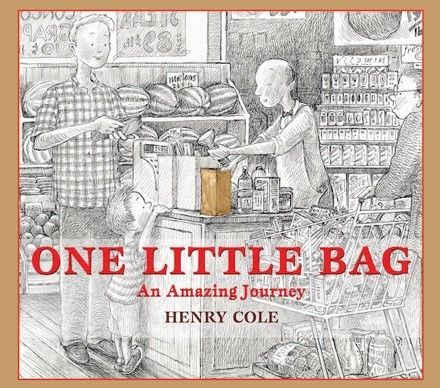
One Little Bag: An Amazing Journey
by Henry Cole
https://www.goodreads.com/fr/book/show/44575061
The book begins with a picture prelude of a tree being harvested, transported to a paper mill, and transformed into a paper bag. This bag becomes part of a child’s experience of growing up, sharing love, and creating family. This love story of sorts is also a moving reminder of the importance of conserving the resources of our precious planet. And the author’s note at the end isn’t to be missed!

by Tomie DePaola
https://www.goodreads.com/en/book/show/309554
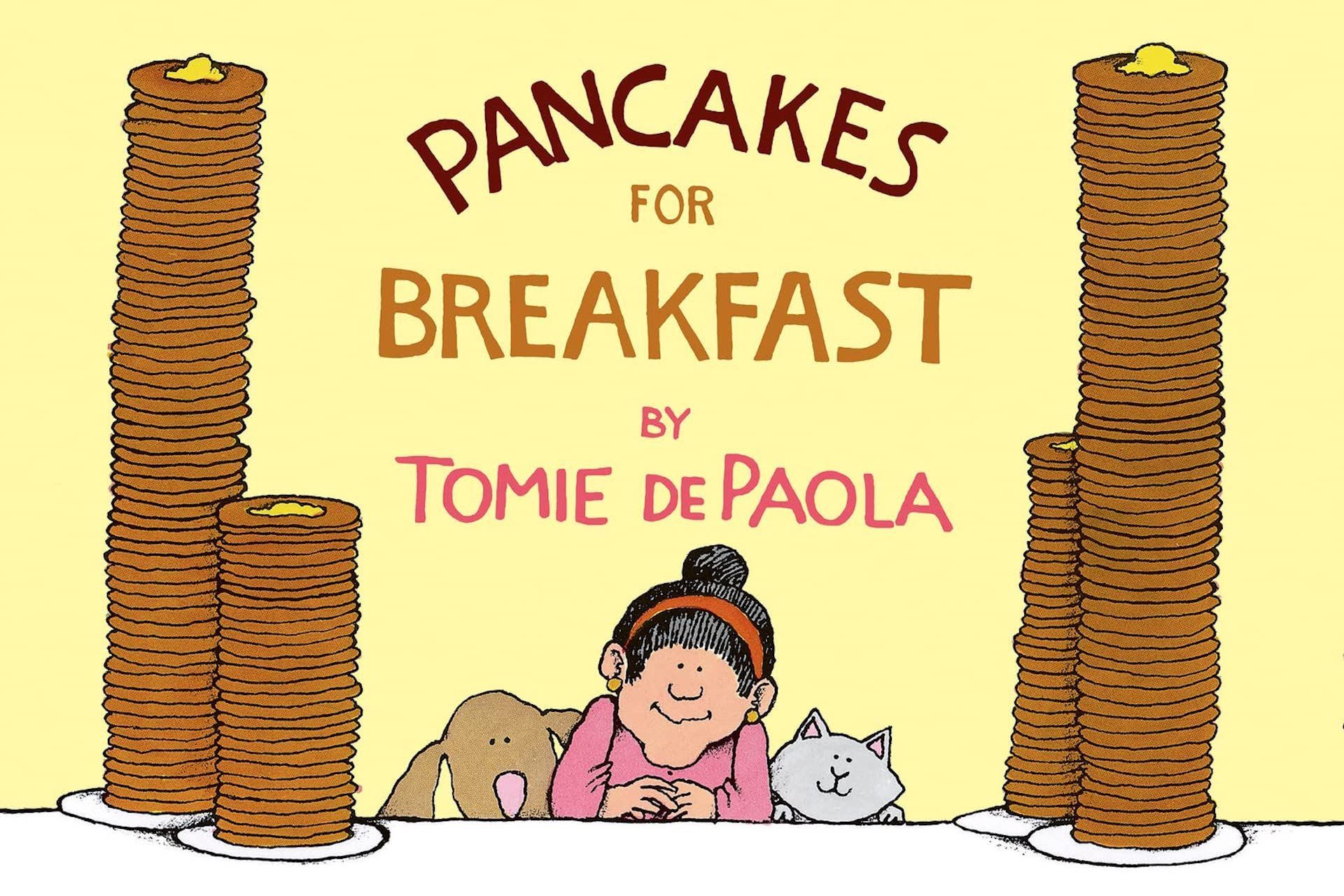
This simple story line shows a woman waking up to the thought of enjoying pancakes. The pages follow her process of checking the recipe, preparing the ingredients, and bumping up against the challenge of missing key elements from the recipe. This requires her to gather eggs, milk the cow, churn the butter, and even go to a neighbor who has tapped some maple syrup. With all of these obstacles almost overcome, she encounters one more big one. But that doesn’t stop her from enjoying some pancakes! One of the delights of this book is how it incorporates words as part of life: from the recipe book, to labels on the dishes or containers, to the final picture hanging on the wall at the end.
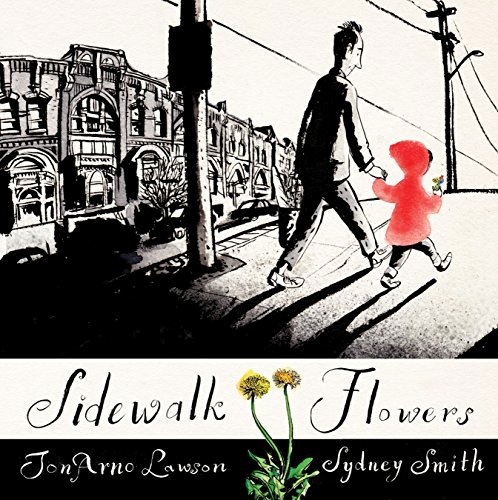
by Jon Arno Lawson and illustrated by Sydney Smith
https://www.goodreads.com/book/show/25928556-sidewalk-flowers
One girl’s walk home with her busy (and slightly preoccupied) dad becomes a tribute to how even the smallest of acts can bring kindness and color into others’ lives. In the process of noticing small details, the girl collects sidewalk flowers and shares the beauty with those she passes who most need a little love and care.
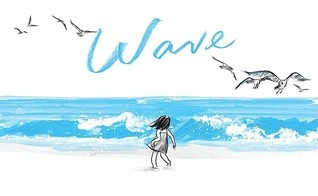
by Suzy Lee
https://www.goodreads.com/book/show/3171606-wave
The line drawings and blues of the ocean perfectly capture the childhood experience of running to the beach and dancing with the ebbs and flows of the water. Seagulls stand by while a girl goes through a series of interactions with the waves. From initial stand offishness to full-fledged immersion, the girl and the wave (and even the seagulls) go through a kind of transformation, which is enhanced by the blues that begin to wash across each page as the story unfolds.
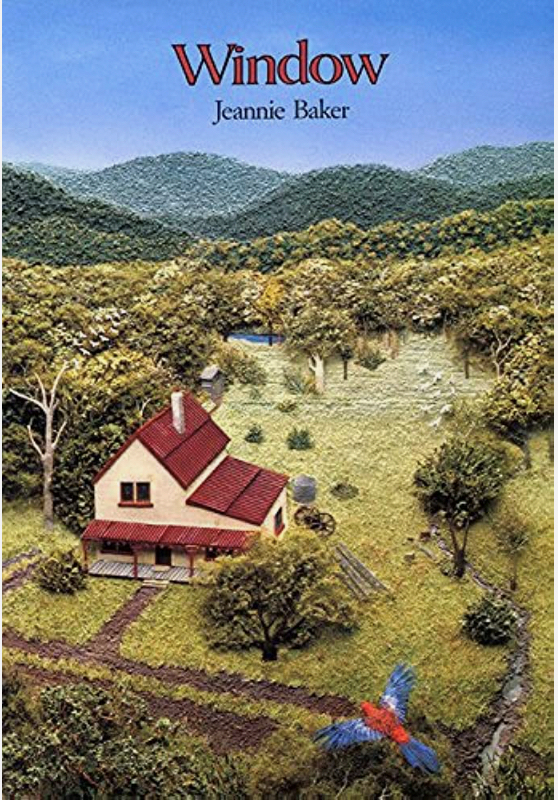
by Jeannie Baker
https://www.goodreads.com/en/book/show/1401164
Through one window, we witness a story of change. What begins as a lush, tropical backyard eventually becomes a bustling neighborhood. Within this story is also the transition from babyhood to childhood to adulthood and even parenthood. From the items on the windowsill to the various kinds of interactions outside the window, Baker’s collage constructions provide not only a textured story, but also host of fascinating details.
Download a PDF of this booklist! We hope you and your children enjoy these books as much as we do!
Subscribe to our Blog
You might also like