Our Montessori Bookshelf: In Honor of Grandparents Day
September 8, 2024

Grandparents (and “grandfriends”) are such valuable parts of our children’s lives. In honor of Grandparents Day (September 8) and the desire to use the whole month to do “grand” things, we’re sharing our favorite picture books that highlight the value of connection between grandparents and their grandchildren. 


We hope your children and their grandparents can perhaps share some time together, or at the very least that your children can read these books with you and reflect upon what they value about their grandparents. Maybe after reading these stories, grandparents and grandchildren can share and create their own stories together! 
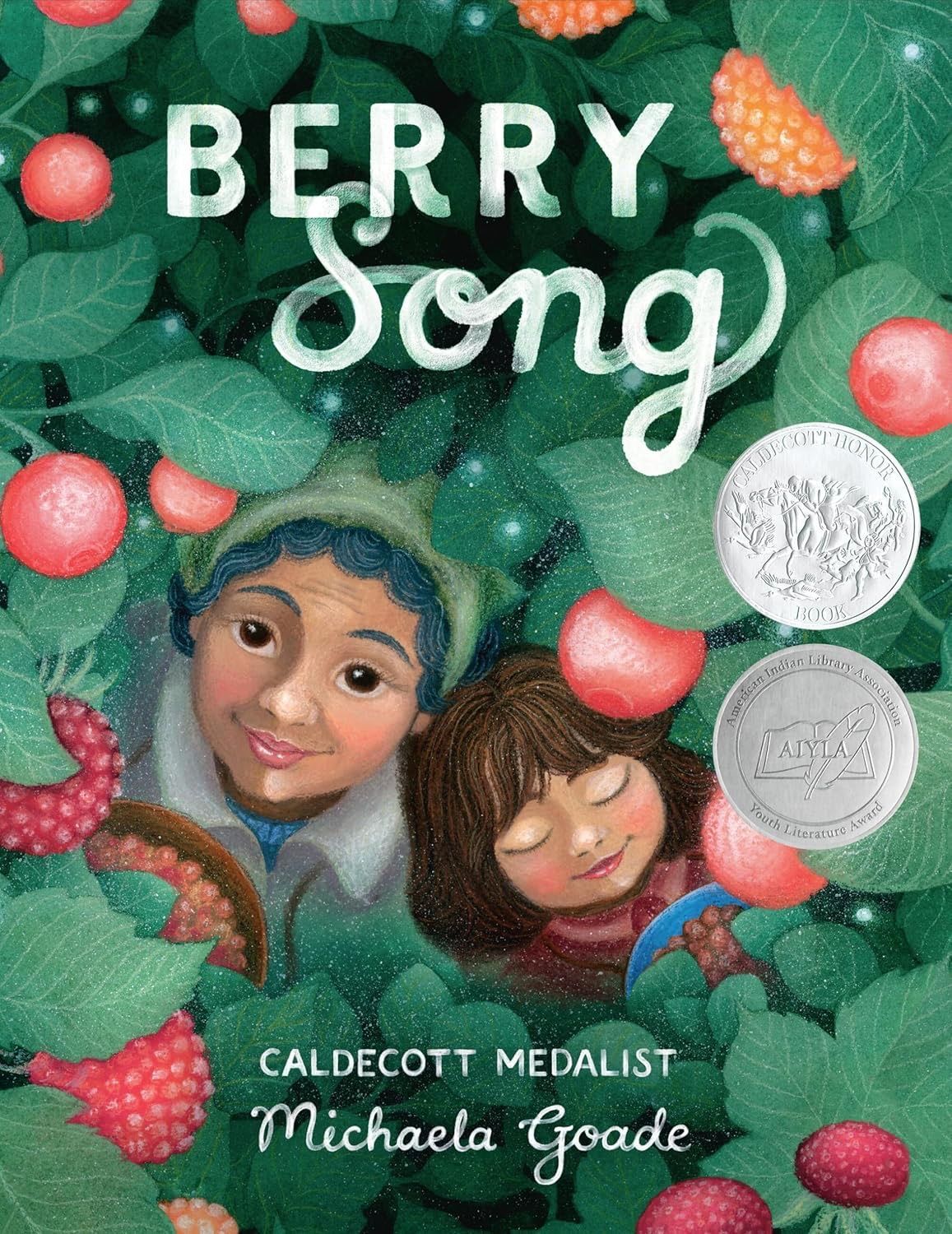
Berry Song

by Michaela Goade


With mystical illustrations that are also grounded in botanical bounty, this book shares the joy of a child’s connection with her grandmother and weaves it together with the power of sharing traditional ways of honoring the land and its gifts. After responsibly harvesting food together, the child and her grandmother cook and feast and share. And the seasons change and the story continues as the girl takes her little sister’s hand to begin the process again. The extensive author’s notes are also incredibly powerful and worth savoring. 
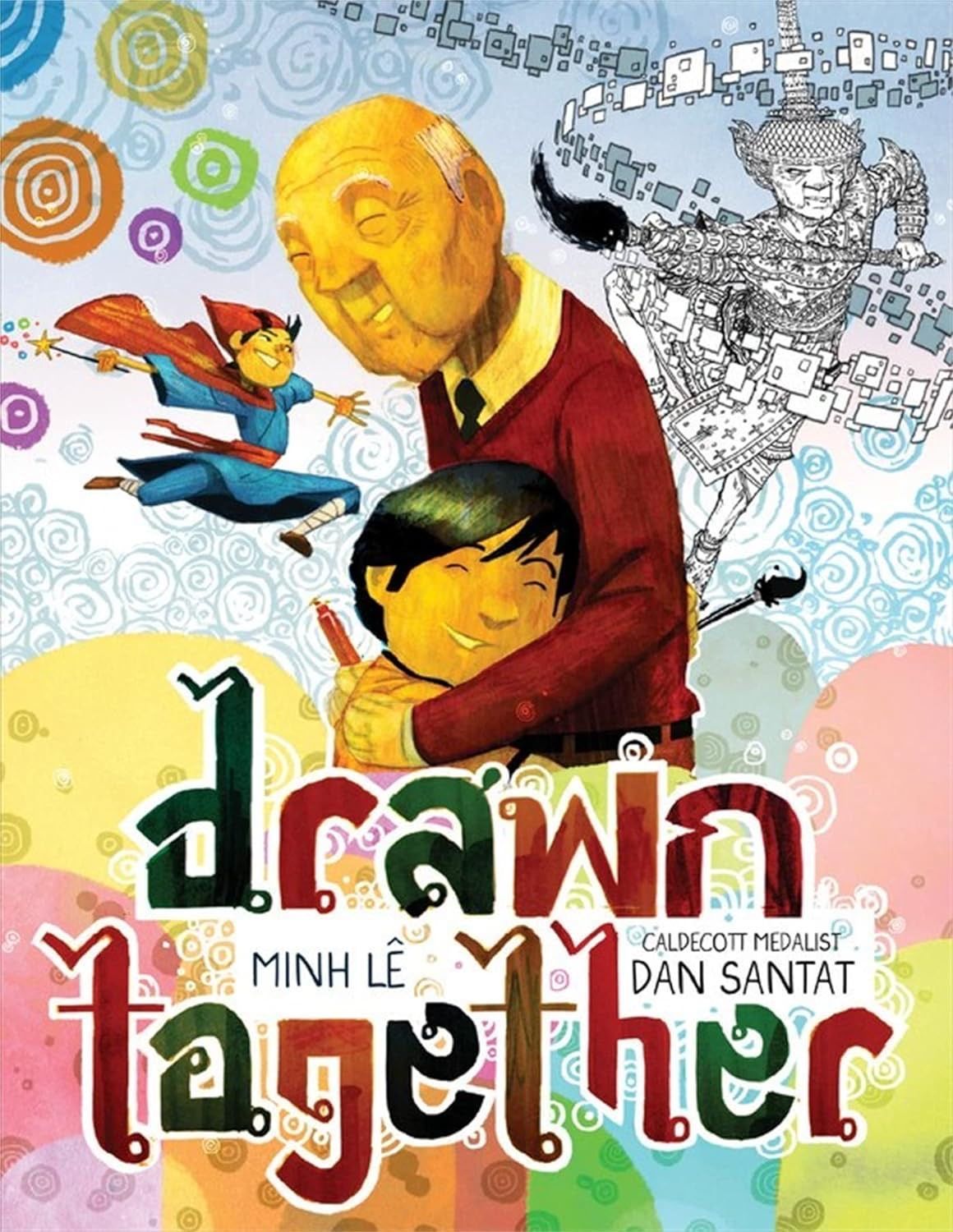

Drawn Together 

by Minh Lê, Illustrated by Dan Santat


“Sometimes you don’t need words to find common ground.” This book perfectly illustrates this tagline. The story even starts without words, just images in the comic or graphic novel style of getting dropped off at his grandfather’s house. We see all the ways they don’t connect and yet when the boy decides to pull out some paper and draw, the grandfather gets his sketchbook. A whole new world opens up between them, and the narrator begins to use words to share the experiences of grandfather and grandson. The illustrations both show contrasting generational and cultural experiences and how a shared love for drawing can bridge a divide. 
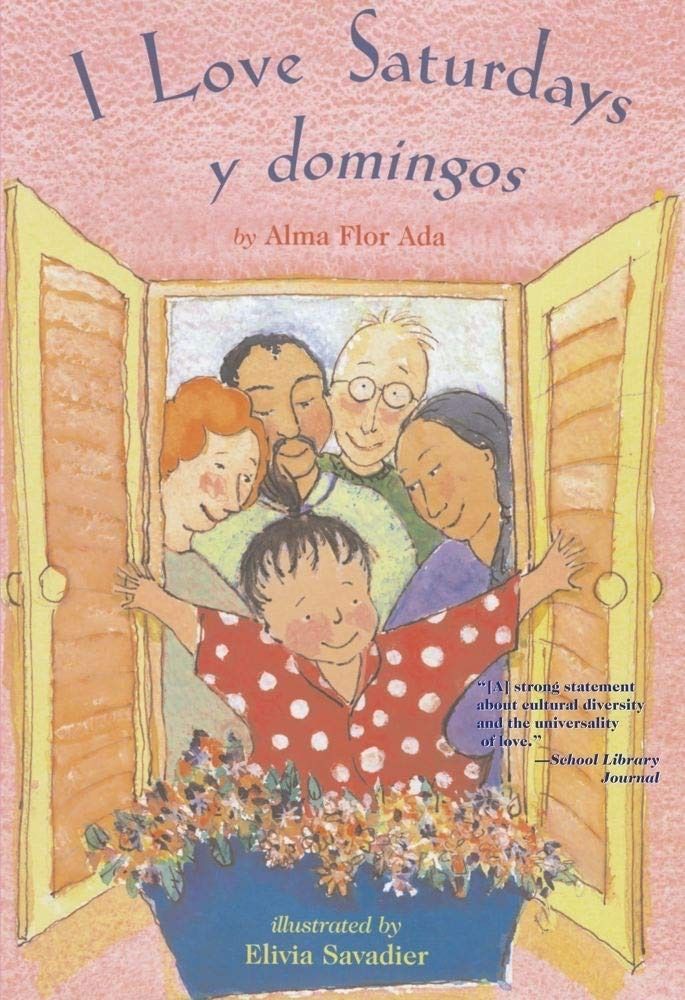

I Love Saturdays y Domingos

by Alma Flor Ada, Illustrated by Elivia Savadier


Two sets of grandparents offer two very different sets of cultural experiences, which are lovingly depicted in this story of how a young girl appreciates her Saturdays and Sundays. With Spanish carefully woven throughout the storyline, especially to show the contrast between Saturdays y Domingos (and Sundays), we encounter the joy and delight of different traditions and daily routines. By the end of the book, the two sides of the family come together for the girls’ birthday and demonstrate the significance of togetherness. 


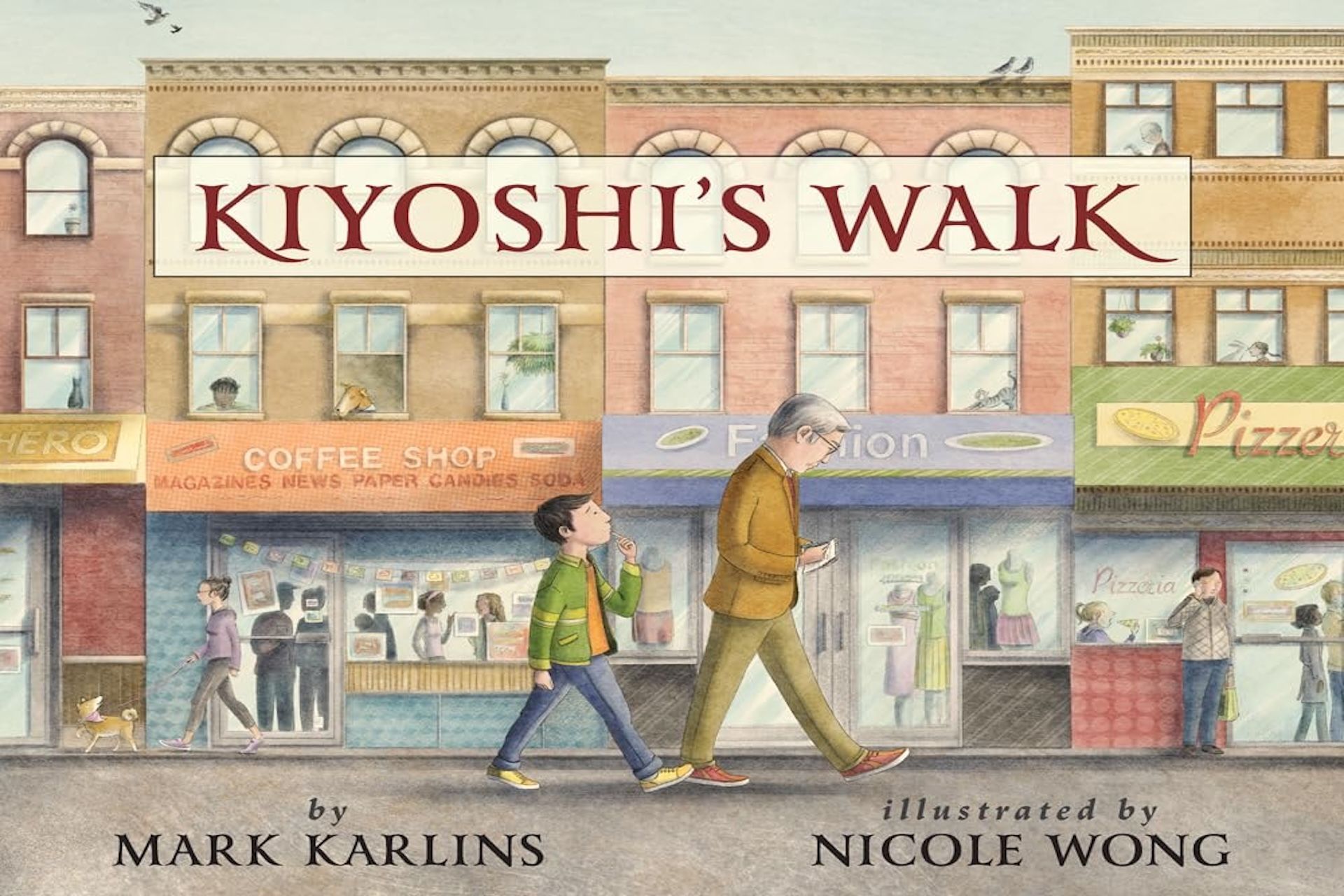
Kiyoshi's Walk

by Mark Karlins, Illustrated by Nicole Wong


In addition to being a lovely portrayal of how a wise, quiet grandfather helps his grandson discover his own answers to his questions, this book is an excellent introduction to haiku. The story begins with Kiyoshi watching his poet grandfather compose a haiku and wondering aloud where poems come from. His question leads grandfather and grandson on a neighborhood exploration full of wonder, connection, new poems, new questions, and ultimately profound insights. 
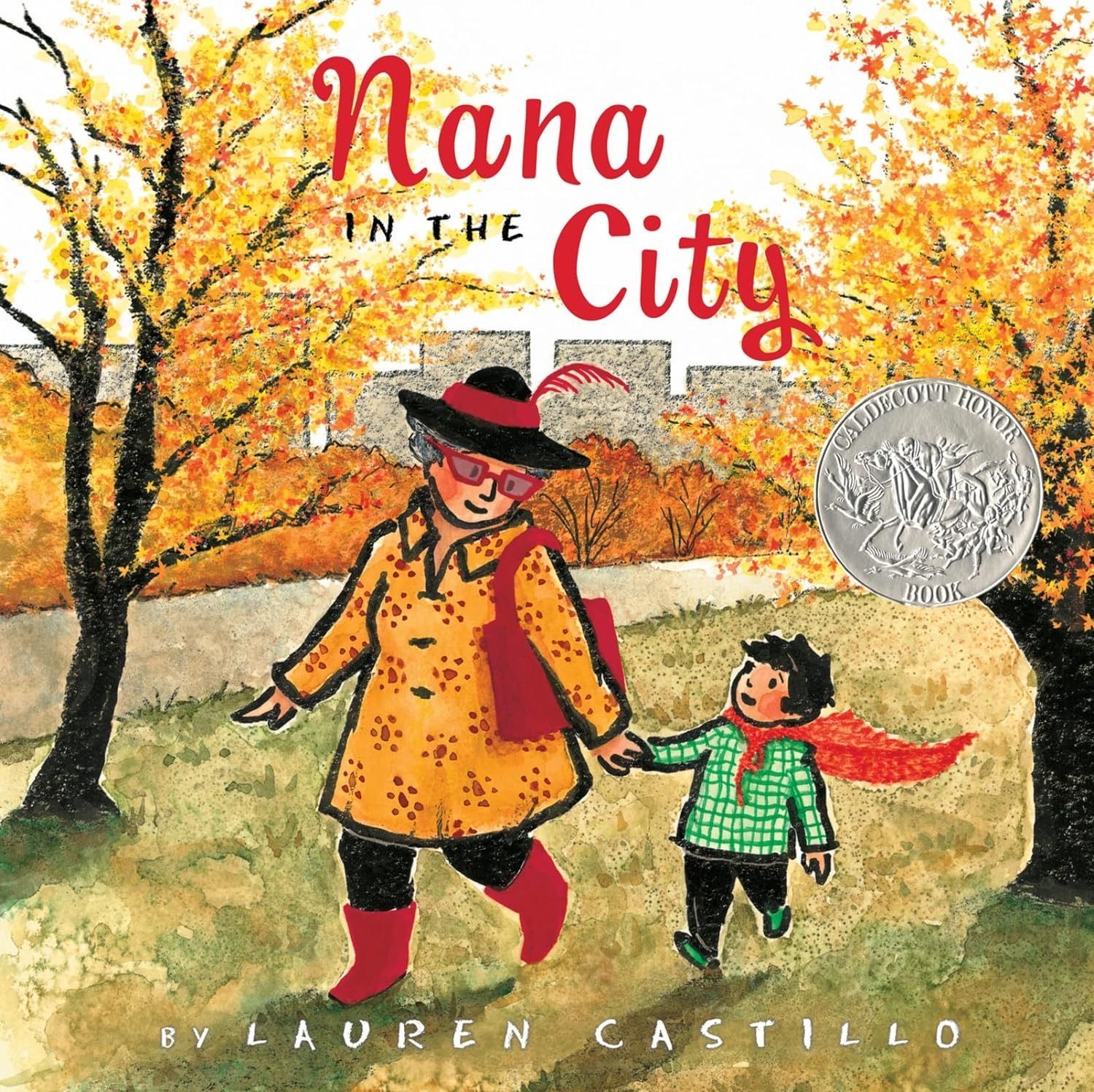

Nana in the City

by Lauren Castillo


A Caldecott Honor book, the story begins with a young boy coming to visit his Nana in the city. He finds the place too loud, busy, and scary, so his Nana promises to show him how wonderful the city can be. While he sleeps, she knits him a red cape for him to wear and feel brave during their excursion throughout the city. With a newfound perspective, he is able to see the extraordinary and why his Nana wants to be there (and how he can look forward to visiting again!). 


The Ocean Calls: A Haenyeo Mermaid Story

by Tina M. Cho, Illustrated by Jess X. Snow


With a stunning use of color, The Ocean Calls reminds us of the power of patience and how traditions are passed from one generation to the next. Dayeon longs to be a treasure-hunting mermaid like her grandma, yet also holds deep fear from a previous experience in the ocean. Her “what if” questions are calmed by her grandmother’s calm presence and reminder about haenyeo tradition. Although subtle, the book also visually shares the power of a community of women serving as support. 


Time for Bed, Old House

by Janet Costa Bates, Illustrated by AG Ford


It can be a treat to sleepover at a grandparent’s house, but it can also be scary, too. So Isaac’s grandfather takes a different approach, leading Isaac on a tour through the house to “put it to bed.” They move slowly and quietly. They dim the lights. They draw the blinds. And they check on all the sounds. The cozy illustrations make you feel right at home and some include a perspective that makes it feel like you are in the room, too. The best part is how the story shows the arc of how Isaac takes ownership of the process and as a result, feels safe and secure.


The Truth About Grandparents

by Elina Ellis


If you are your children are in the mood for some fun-loving frolic, this book is just what you need! The child narrator introduces their “really old” grandparents (plus their “wrinkly faces” and “funny teeth”). While the words on the page state one thing that the narrator has heard about old people, the illustrations show the child’s experience sharing adventures and all sorts of fun with their grandparents. Full of zest and joy, this book can’t help but bring out some smiles (and maybe even some ideas of fun things to do together!). 
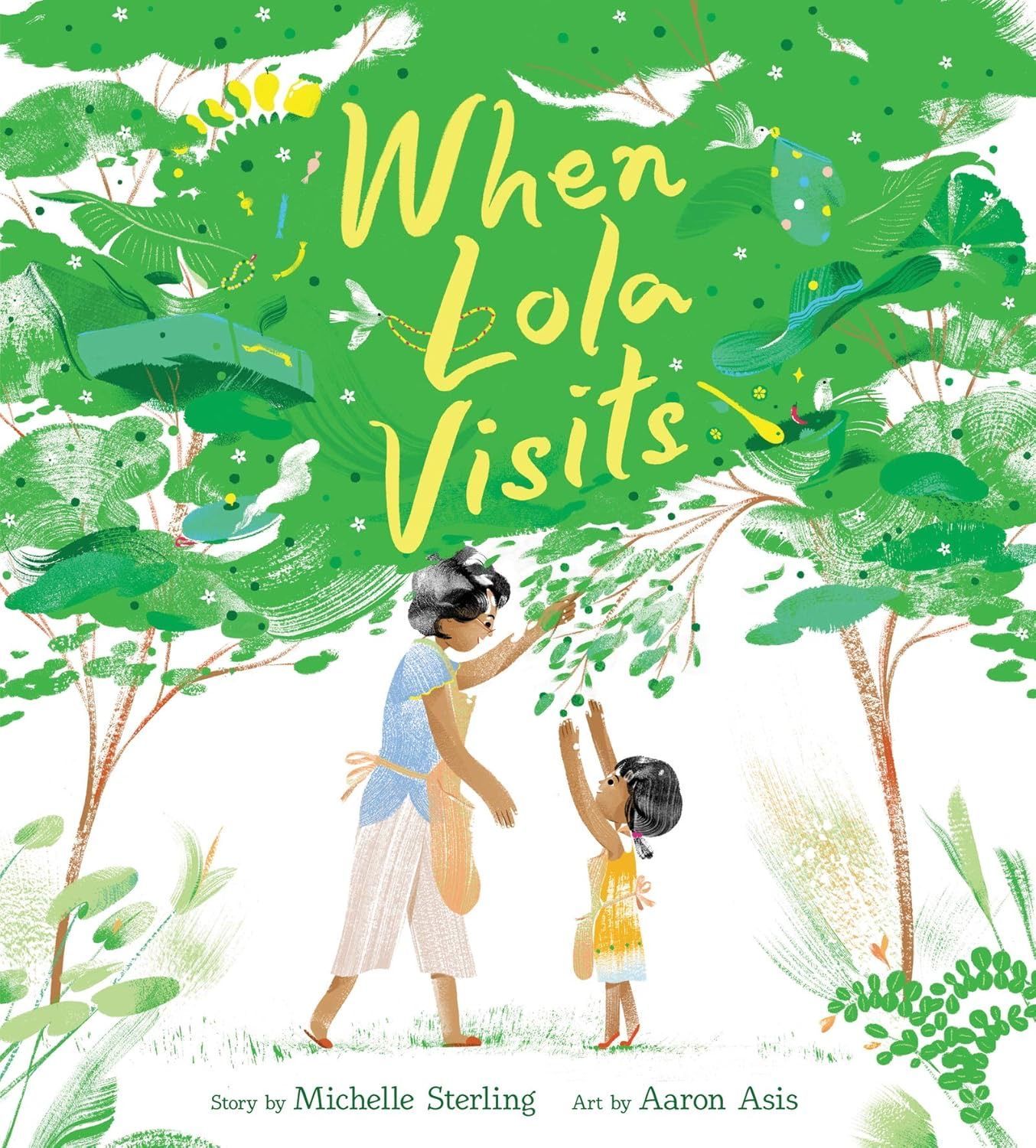

When Lola Visits  

by Michelle Sterling, Illustrated by Aaron Asis


With simple illustrations, the story focuses on the scents of summer, including all the smells and experiences that are part of a grandmother’s summer stay. The repeating refrain of “summer smells like” weaves together a whimsical, wispy nostalgia, while also showing how different traditions “like kalamansi pie and fireworks on the Fourth of July” can come together in powerful ways for young children. The book also brings together the contrasting feelings that can arise when the beauty of summer ends and the promise of a new school year begins. 


Where Are You From?

by Yamile Saied Méndez, Illustrated by Jamie Kim


This is a perfect book for when children feel stumped by the question, “Where are you from?” The main character asks her Abuelo. What he shares is both beautiful and inspiring, reminding his granddaughter, and perhaps all of us, of the places and ancestors who are so much a part of who we are. But this expansive answer doesn’t satisfy his granddaughter who wants to know where she is really from. His answer captures the essence of who she is and where she is from and establishes the power of personal love and ancestral connection. 


We hope you enjoy these books as much as we have! Here is a printable copy of the list of books. We also love to have grandparents and grandfriends come to the school for grandparents day in November. More information will be sent home in folders next month.


Subscribe to our Blog

You might also like
By Danielle Giordano March 9, 2026
When children begin working with pronouns in Montessori, they are not learning something entirely new. Instead, they are bringing to consciousness language they already use every day. Pronoun work builds slowly and intentionally. It is not about mastering grammar rules, but about understanding how language functions and how meaning is carried when words stand in for one another. Beginning With Experience, Not Explanation Montessori pronoun work begins with movement and spoken language, not written grammar. We start with little oral games to highlight how a pronoun functions, sometimes eliminating the pronoun (“Josie and John and Jack and Josiah are walking around the table.”) and other times emphasizing the pronoun (“They are walking around the table.”). The children love acting out the phrases, sometimes chanting, moving, watching one another, and laughing. Through these physical experiences, they begin to notice that we don’t always use names when we speak. Certain words take the place of a noun, and the meaning is still clear. At this stage, we don’t offer the term pronoun because we want children to simply experience its function. From Movement to Sentences Once children are ready for more structured language work, we introduce them to the Pronoun Grammar Box so they can build and rebuild sentences using color-coded cards for each part of speech. From one sentence to the next, only a few words change as nouns get replaced by pronouns. By comparing sentences, children discover that although the word changes, the sentence still makes sense. This comparison is essential. Rather than being told what a pronoun is, children see what it does. We then invite children to add grammar symbols to the sentence (noun, article, adjective, verb, preposition, adverb) until we finally draw attention to the remaining word: “This word is used in place of a noun.” Only then do we introduce the pronoun symbol: a purple isosceles triangle, the height of the noun symbol. Montessori Lore: The Pronoun’s Story There’s a beloved story about the pronoun symbol. Long ago, the pronoun was shorter and a different color. Wanting to be as important as the noun, it stretched itself taller and taller to reach the same height. As it stretched, its base became smaller and it turned purple from the effort of standing in the noun’s place. It’s a poetic reminder of what children discover through their work: a pronoun depends on the noun, borrowing its meaning while standing in for it. Why Pronouns Come Later Pronouns are more abstract than other parts of speech. To understand a pronoun, children must already have a strong, concrete understanding of the noun. For this reason, pronouns (along with interjections) are typically introduced later than other grammar symbols, often in the elementary years. Even then, one lesson is not enough. In Montessori, the real learning happens after the presentation, when we step back and children work independently with the material. The guide’s role is to show how to use the material, not to explain grammar in detail. Understanding emerges through repeated use. Deepening Understanding Through Play and Exploration As children grow more confident, the work expands to include: Transposition games, where pronouns are removed or replaced to explore how meaning changes. Command cards, which physically isolate pronouns through action. Personal pronoun charts, introducing first, second, and third person (singular and plural) through storytelling. The Verb Family, where children explore the close relationship between the verb, adverb, and pronoun. Children discover that pronouns often work closely with verbs, helping to carry action and meaning through a sentence. Subtleties Come Later At first, Montessori avoids getting caught in fine distinctions. Over time, children may explore nuances such as the difference between possessive pronouns (the book is mine) and possessive adjectives (my book). These discussions often happen later, sometimes with the support of grammar references, once children have a solid foundation. Language Revealed, Not Taught Through this carefully layered progression of movement, sentence work, symbols, and exploration, children develop a deep understanding of how words function differently in sentences. Montessori grammar invites children to discover how language works at their own pace through hands-on exploration. We don’t rush this process. So by the time children are ready to name the pronoun, it’s not a new idea. It’s something they already know. We invite you to visit our classrooms in Old Saybrook, CT to see firsthand the children’s joy of learning!
By Danielle Giordano March 1, 2026
March 1 marks Baby Sleep Day
By Danielle Giordano February 10, 2026
When we pick up our children from school, it’s almost automatic to ask, “How was your day?” And just as automatically, the answers tend to fall flat: fine, good, okay, or sometimes nothing at all. As adults, we can probably relate. When someone asks about our day, we don’t always feel like revisiting every detail, especially before we’ve had a chance to rest or reset. For children, this challenge is even greater. In Montessori environments, children are immersed in experiences that are rich, complex, and often difficult to put into words. How does a young child explain the sensorial experience of carefully carrying each cube of the Pink Tower across the room? Or describe the quiet satisfaction of discovering that ten tens create a hundred square? Or articulate the subtle social negotiations that happen during community lunch? Even for older children, language often lags behind experience. Why “How Was Your Day?” Can Feel Like Too Much As children move into the elementary years, they are also navigating peer relationships that are still very black and white. A single interaction can color their entire perception of the day. So their reports may sound overly simple: someone was mean, someone was nice, the day was bad, the day was good. But often, the issue isn’t that children don’t want to share. Instead, the timing is off. Research on children’s nervous systems helps explain why. When children walk out of school, their brains are often still in a state of high alert. Throughout the day they’ve managed noise, social expectations, concentration, corrections, and constant stimulation. Their nervous system hasn’t fully shifted out of “school mode” yet. So it helps if we remember that we aren’t greeting children in their most rational state. Those first minutes after pickup are a transition, not a conversation window. When we jump in with questions too quickly, even well-meaning ones, we may unintentionally overwhelm our children’s nervous system, which hasn’t had time to settle. Connection Before Conversation In Montessori, we place great importance on transitions. We know children need time to move from one state of being to another, whether that’s arriving at school, moving between activities, or going home at the end of the day. Instead of starting with questions, we can start with presence. When we first see our children, a warm greeting that communicates “I’m happy to see you” goes a long way. Some children need a snack. Some need quiet. Some need movement, proximity, or simply space. This is not the moment to gather information. This is the moment to re-establish connection. When families allow even 10 to 12 minutes of quiet decompression after school, through silence, music, or simply being together, children regulate more quickly. Evening stress decreases, cooperation improves, and children are more likely to talk voluntarily later on. Rather than interrogating right after school. Try coexisting. This pause is deeply respectful. When Children Are Ready to Talk Later, after your child has had time to settle back into your care, you may notice that conversation begins naturally. This is often when children share what mattered most to them, not what we might have thought to ask about. When you do open the door to conversation, gentle specificity helps. Broad questions like “How was your day?” can feel overwhelming. Instead, try comments that invite reflection without pressure: “I noticed you seemed really focused when I picked you up.” “I’m here if you want to tell me about something you worked on today.” “What felt good about today?” Just as important as the words is our availability. Putting down the phone, pausing the logistics, and showing with our body language that we are truly listening makes it safer for children to share. Listening for Timing, Not Just Content This approach applies across ages. Even adolescents benefit from what some call a “quiet landing” after school. When we honor timing, we’re less likely to walk into the emotional residue of the day and more likely to build cooperation and connection later. In Montessori, we often say: regulation comes before reflection. Children don’t need us to extract their feelings. They need us to create the conditions where feelings can land safely. Sometimes that looks like silence. Sometimes it looks like presence. And sometimes, after enough space has been given, it looks like a child finally saying exactly what mattered most. So the question isn’t just “Do I listen to what my child says?” And instead becomes: “Do I listen for when they’re ready to speak?” Curious to learn more strategies to support your child during transitions? Set up a time to come visit here in [Your Town/Location]. We love to connect! .
More Posts