
Going Out: An Expansive Elementary

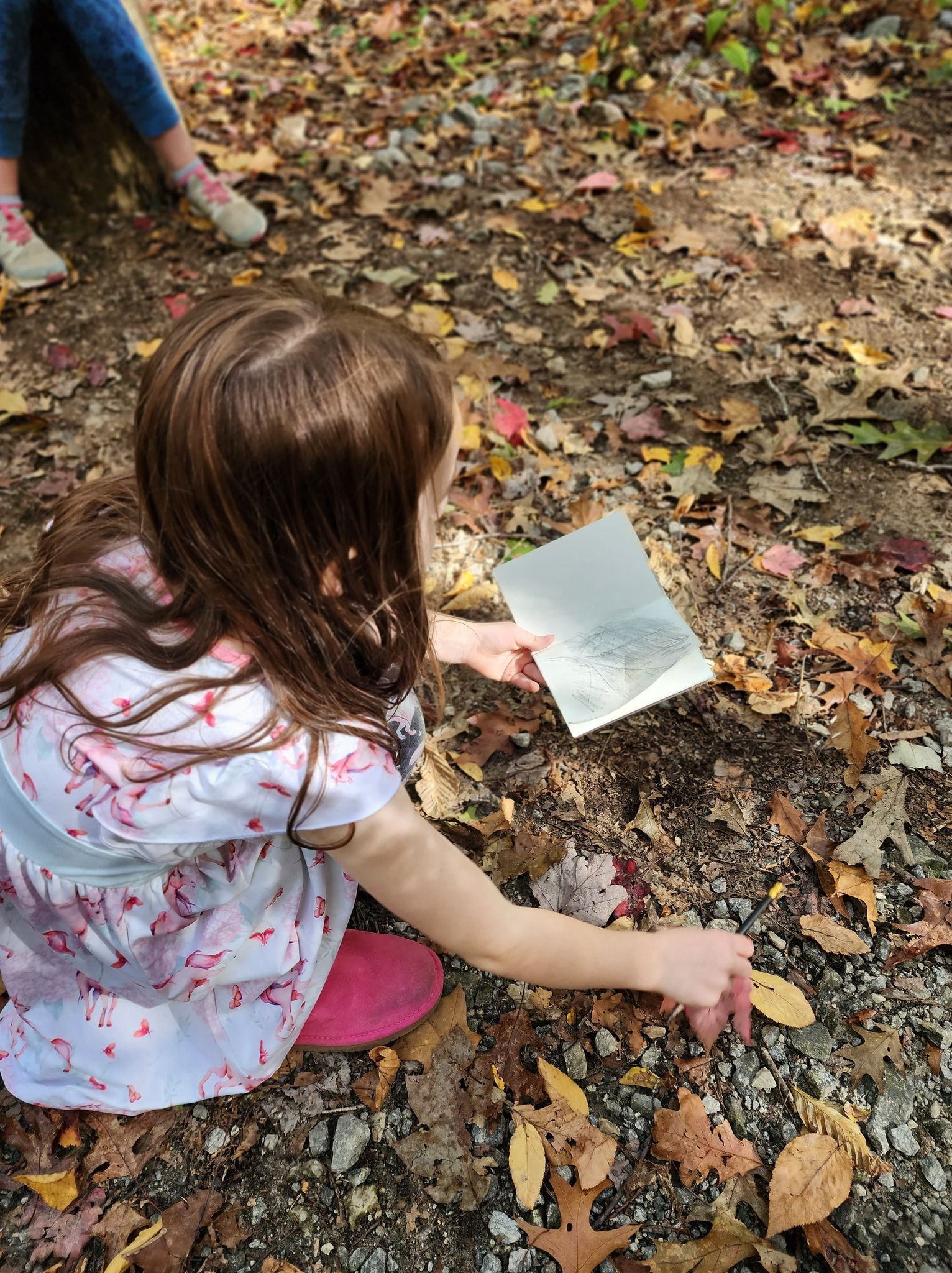
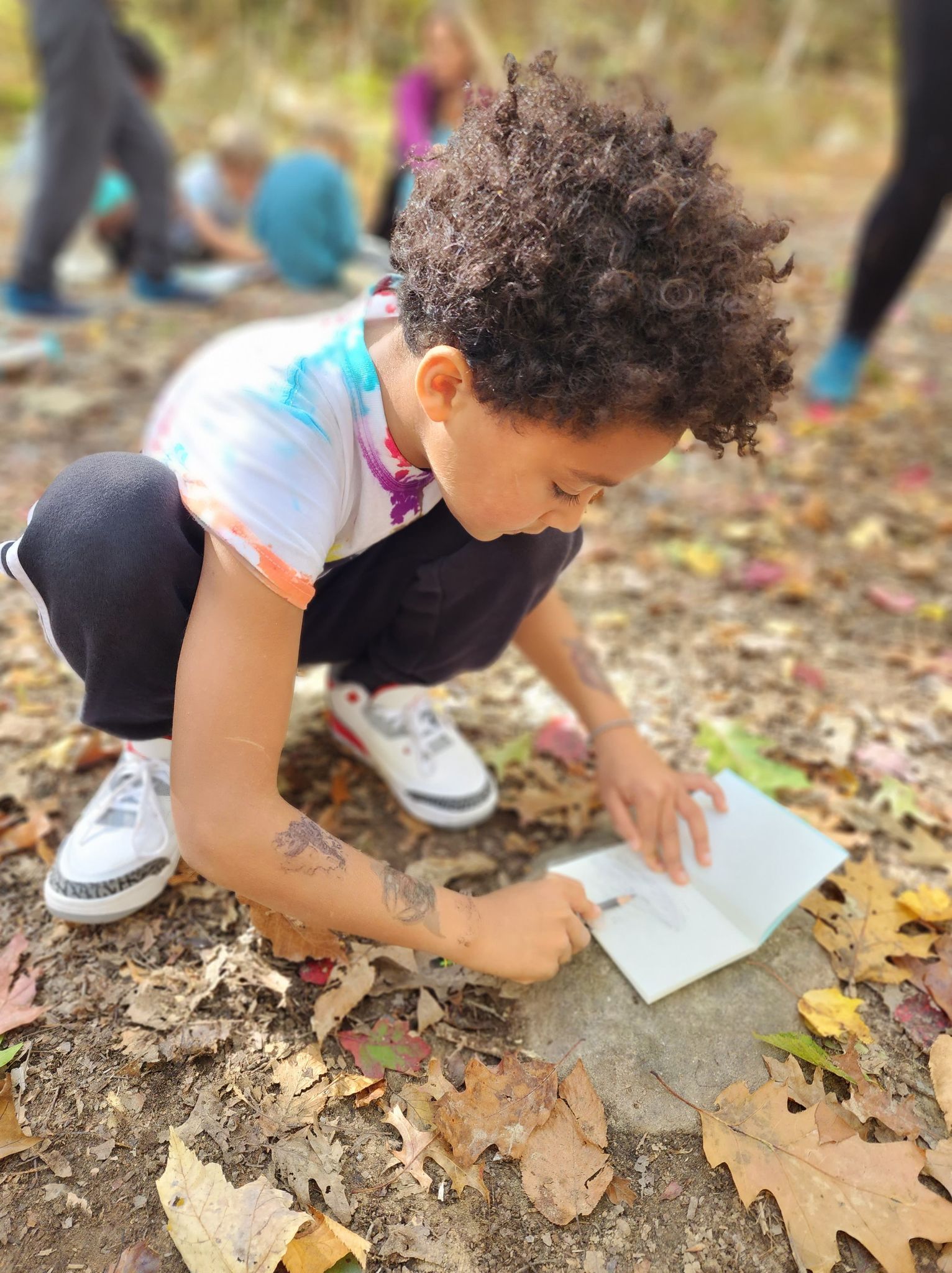
At the elementary level, children want to know the how and why of everything. As a result, they have a strong drive to explore the world beyond their immediate family and even their classroom or school. New interests compel elementary-age children to explore anywhere and everywhere! Plus, they are creating their ability to function in society. In order to achieve this, our elementary children need to acquire new skills.
One of the ways Montessori elementary programs help six- to twelve-year-olds develop these new skills is through something called “going out.” Dr. Maria Montessori developed the idea of “going out” both literally and figuratively. She recognized how, developmentally, elementary-age children needed to go out the door of the classroom and that the door should open into the wider world.
What is Going Out?
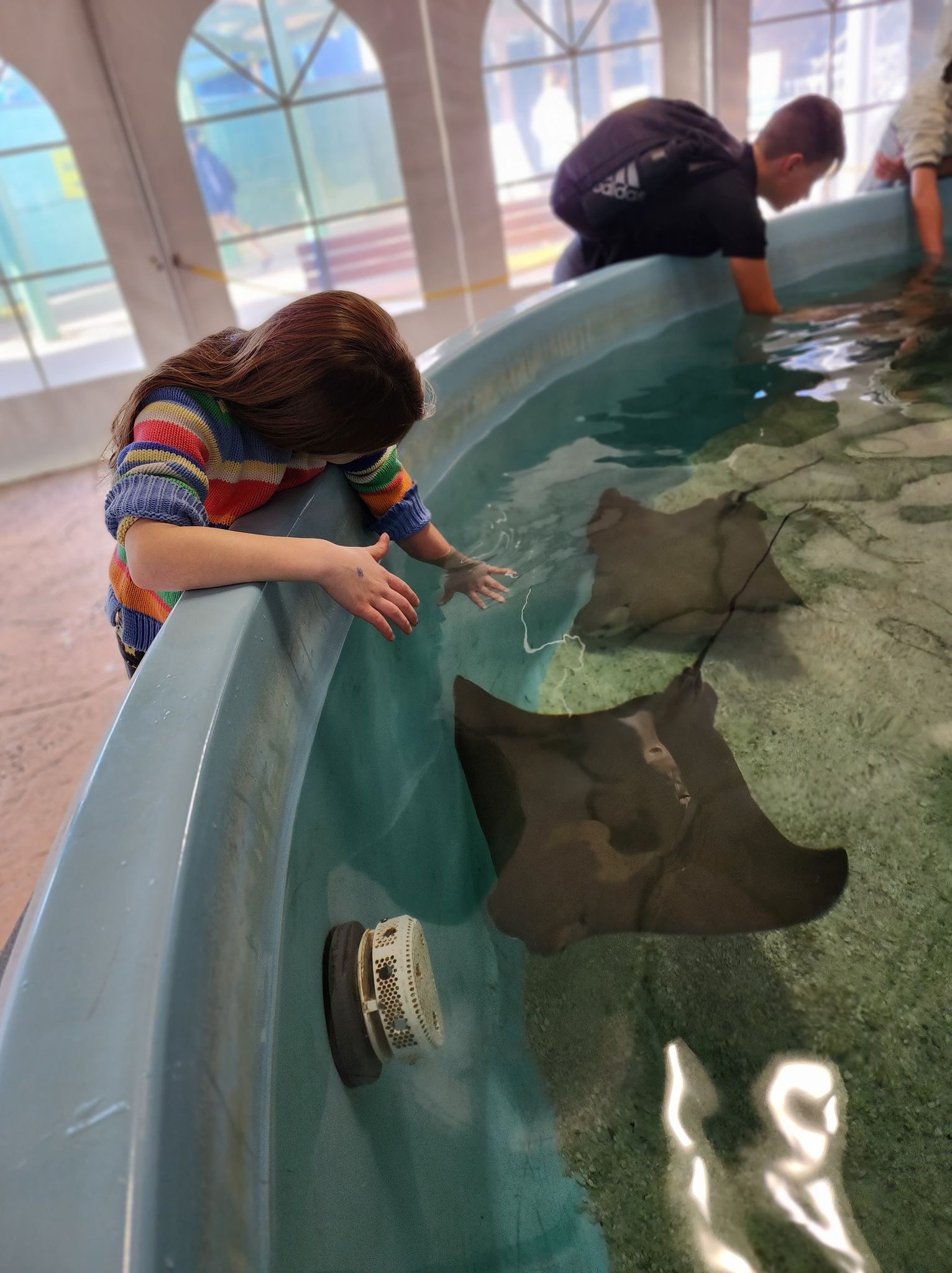
Imagine that a group of two, three, or four children have been studying something in the classroom. They have exhausted all of the resources in the class or school library and are eager to learn more. For example, a group of children may have learned about falcons. They want to interview a falconer and see some falcons up close. Or maybe a couple of students have been interested in mice, so they visit the local pet store to learn about the care of rodents. Students who just researched the Titanic may discover a nearby museum with a display about the Titanic, so they arrange a visit. Children learning about a period in history might visit a local theater’s costume shop to find clothing from that time period and recreate what someone would wear. The options are endless.
Purposes of Going Out
This small group experience serves elementary children’s need for independence, collaboration, and experience. They need new opportunities for intellectual stimulation. They are curious to learn more. They want to learn everything about the universe and the universe won’t fit into our classrooms!
In addition, elementary children need to be social and collaborate. In preparing for a “going out” experience, students get to work together in an authentic and meaningful way. In the classroom, they share resources, make group decisions, delegate and divide labor, take responsibility, and celebrate each other’s success. Inevitably conflict can arise and can be a necessary and important part of their work. With support, children practice respectful problem-solving. So with all this practice, they are ready to apply these skills outside of the classroom through their “going out” experiences.
“Going out” trips also require a new level of self-discipline. Children must make decisions and take action. In order to have a successful outing, they have to organize their thinking, themselves, and each other. They also must demonstrate a high level of responsibility, as individuals and as a group.
Different than a Field Trip
Although field trips are important and delightful, they are quite different than the “going out” experience. Field trips involve the entire class and are often planned and executed by an adult. The “going out” trip, however, involves a small group of children who want to learn more about something they are studying or investigating. Those children are then responsible for all of the logistics of the “going out” trip. The outing is conceived, planned, organized, and carried out by this small group of children who have a mission to learn more.
The responsibility for setting up a “going out” experience can require a variety of skills ranging from letter writing, sending emails, filling out forms, making appointments, finding transportation, reading schedules, budgeting for the day, making a phone call, speaking to different kinds of people, using electronics respectfully, packing supplies, confirming appointments, and following up with acknowledgments or thanks.
Sometimes children may need little mini-lessons about particular forms of decorum related to their “going out” — how to enter a theater, how to conduct an interview, how to write a thank you note, how to show you are listening, how to pay an admissions fee, etc. These are all vital skills that help our children prepare for how they will enter society.
A Community Effort
A successful “going out” program requires the support of the whole school community and the community at large. Sometimes parents or school staff offer to transport children. Being a “going out” driver is very different than being a field trip chaperone. A “going out” driver relies upon the children to share the directions, where to park, and what to do. If the children have neglected to check the hours of the place they are visiting, and they arrive to find the doors locked, the driver merely waits for instructions from the children about what to do next. This requires a great deal of adult self-restraint and an understanding of the aims of the program!
The children take on the challenge and expectation of what is expected. They want to be capable and they want to know what successful entry into society requires. When they find out what the rules are, they feel more secure in the world. Over time, as children develop connections and relationships out in the greater community, they also pave the way for future “going out” trips.
Support at Home
The spirit of “going out” can be supported at home, too! Think about the various activities that happen in our daily routines and how our children can take on some ownership or responsibility. For example, going to the grocery store can become its own “going out” experience. Part of the planning and preparation can involve sitting with our children to peruse the weekly sale flier to map out some menus for the week ahead. Children can make a list of what to buy and even estimate how much it will cost or try to work within a predetermined budget. Before leaving for the store, they can gather what is needed: reusable bags, the shopping list, snacks so no one shops hungry, etc. Or perhaps a recent weekend hike sparks curiosity about a particular subject, like rock slides or mushrooms. Children can find out the hours of the local library, talk with the librarian about their interests, and initiate the process of checking out or requesting some resources.
Elementary children are capable of so much, physically and mentally. Thus, we want to acknowledge their potential and offer keys for our children to unlock new experiences and step into the wonderful world beyond the school. The best part? Not only does the “going out” experience meet elementary students’ developmental needs, it also promotes a future full of good citizenship and responsible community members.
To see this work in action, please schedule a tour. Our doors are always open!
Subscribe to our Blog
You might also like