Developing Body Awareness
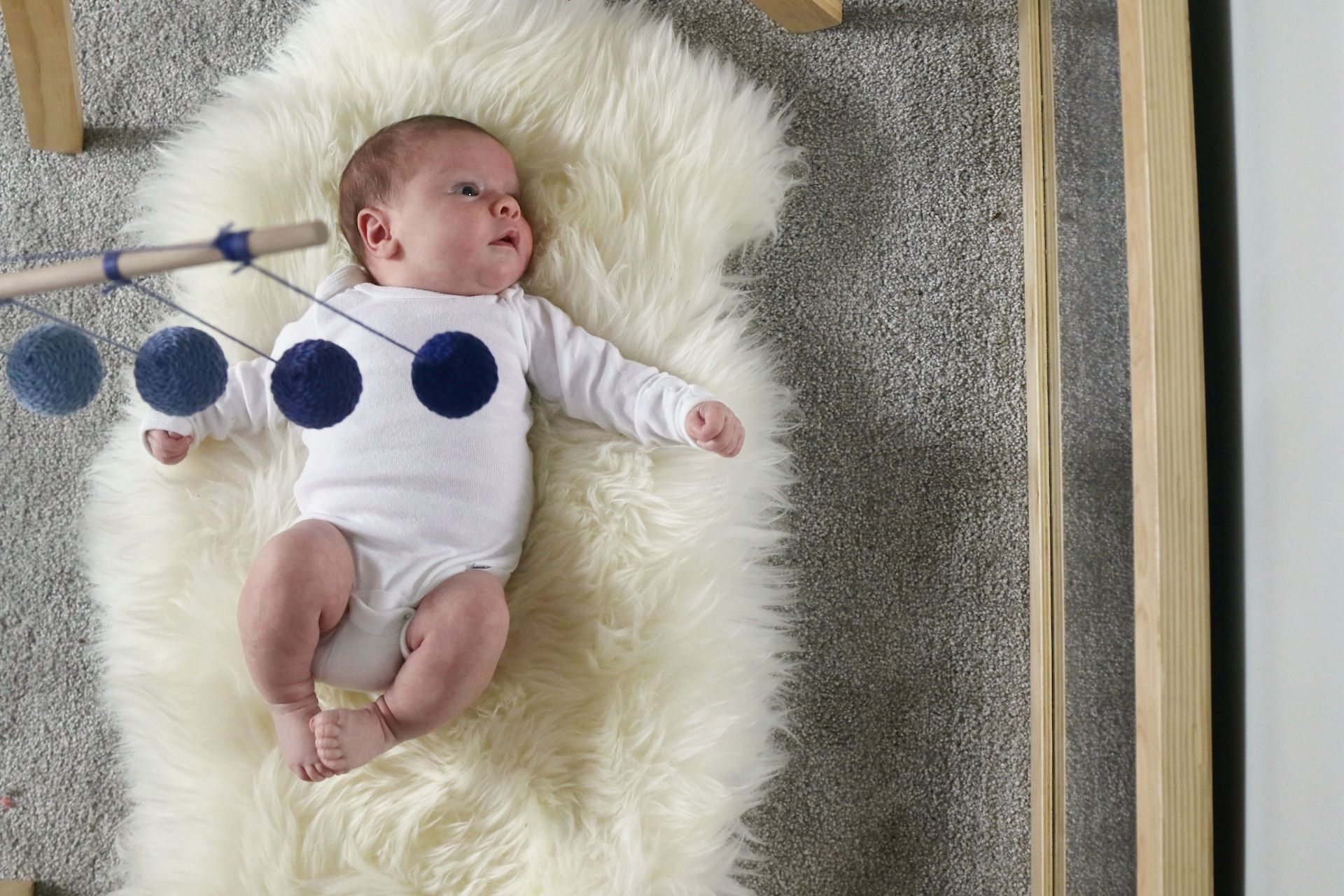
We know that our youngest children are sensory-motor learners. They are learning constantly through their movement and sensory input. Think about babies and how fascinated they are with their own hands and feet – moving, touching, looking at them with wonder and delight. This experience gives them feedback about their body, so they can identify what makes up themselves and what is external in the world.
What is Body Schema?
Body schema is the internal awareness we have of our body and the relationship of our body parts with one another. It’s essentially a perception of where our body ends and the external environment begins.
Our senses and movements are key to this awareness. When newborns feel the sensations of clothes on their bodies or when something touches their skin, these experiences give an awareness of body boundaries.
Why is the Development of Body Schema Important?
The development of body schema helps build the idea of the essence of ourselves. To have a positive idea of who we are and what our essence is, we need to have positive experiences both physically and psychologically. When children get feedback from their environment, they develop their ideas of their body scheme and ultimately their self-image.
A healthy development of body schema and self-image leads to the unity of mind and body. When our children start any kind of movement, they need the coordination of their mind and body. And to achieve more deliberate and precise movements, they need clear awareness of all of their body parts.
How Does Body Schema Develop?
Body schema is developed through sensory experiences and movement and this begins in utero! By 12 weeks unborn babies can feel the amniotic fluid, umbilical cord, and their hands in their mouth. After birth, newborns’ body schema develops more intensely through ways that we feed, handle, hold, bathe, change, and massage them.
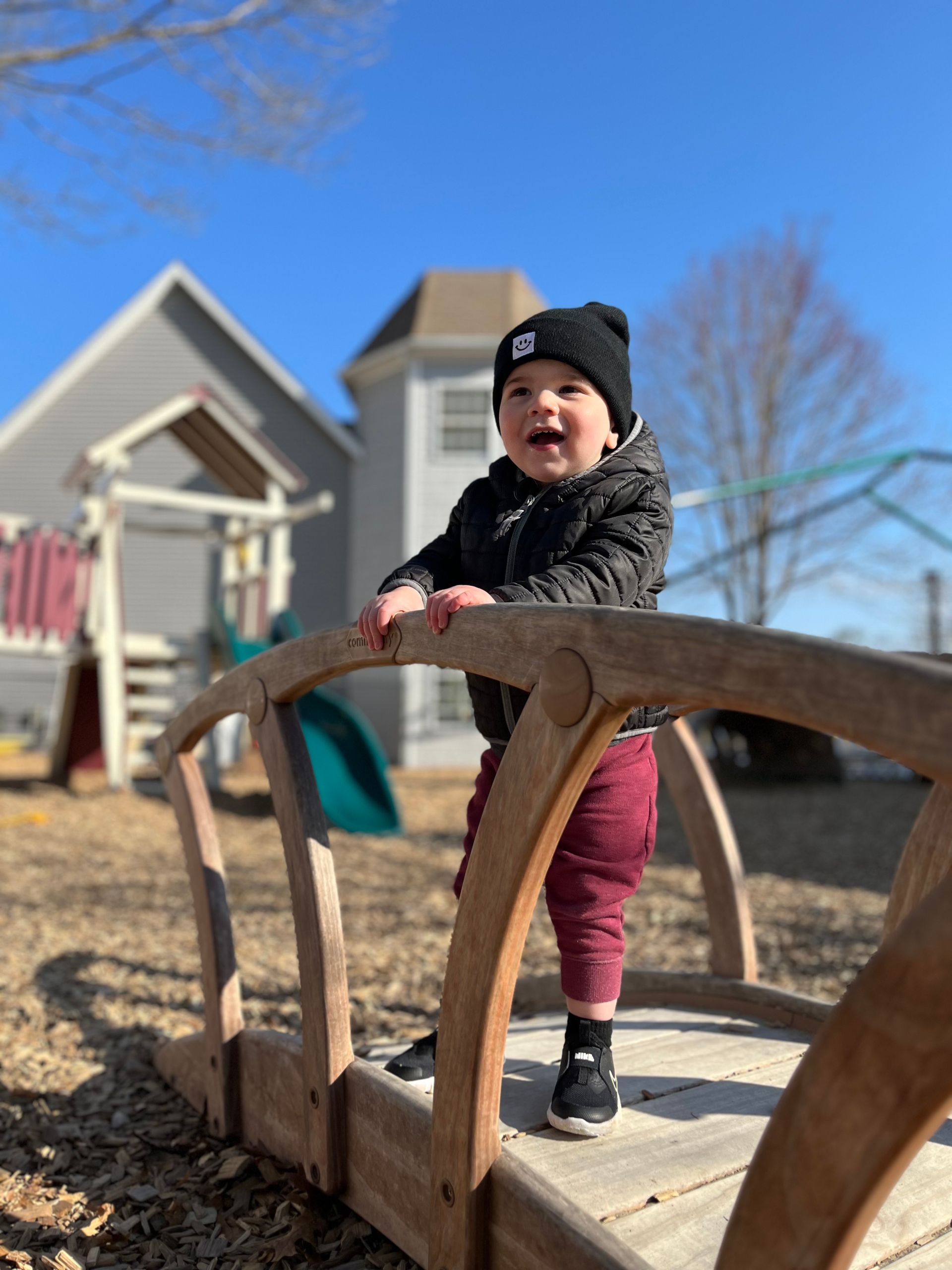
In their first year of life, children experience dramatic changes to their body schema as they move from lying down, slithering, crawling, standing, and then walking. We thus want to offer our infants lots of opportunities to freely explore so their body schema can adjust through new accomplishments.
As children move into toddlerhood, early childhood, and middle childhood, their body schema continues to develop, but much less rapidly. However, once our children reach adolescence, they experience dramatic body changes which lead to the development of a new body scheme. For this reason, adolescents benefit from various forms of exercise and physical expression so they can develop better awareness and control of their bodies.
How Can We Help?
We want to give children activities that encourage them to use their maximum effort. This begins with the motivation to slither and crawl, then progresses to carrying items while walking upright, pushing wagons, jumping, and so much more! When our little ones use their whole body in effortful ways, they are fully present and aware of their bodies and their movements.
We can also help by using correct language for body parts. When we are giving our babies and toddlers a bath, or supporting them with getting dressed, we can playfully and positively name each body part: I’m washing behind your knee. Push your heel down into your shoe. I’m pulling the sleeve over your elbow. As children grow older we can play games of imitation where they can mimic others’ body positions. Children love games like Simon Says which provide a playful way to hone in on body awareness. Obstacle courses are great for older children.
What Should We Avoid?
Children need so many opportunities for movement! However, we rely so much on car seats and other containers that we can inadvertently hinder our babies’ development of body schema by limiting their ability to move freely. We can take them out whenever possible and let them be on a blanket on the floor.
It’s also helpful to ensure children have clothing that promotes movement and allows children to use their hands and feet. In our worry about newborns scratching themselves, we cover their hands at a time when they most need to explore this amazing part of their body and develop an awareness of how their hands and fingers move in the space around them.
When babies have prolonged use of pacifiers, they can also begin to feel like the pacifier is part of their body, which leads to great upset when the pacifier isn’t available!
The key is to remember that children need sensory feedback to develop a healthy sense of where their body is in space and how they can move their various body parts in coordinated ways. This leads to a mind-body connection that builds a healthy self-image.
What is the Result?
When children have these formative sensory-motor experiences with their bodies, they develop a strong trust in the world and themselves. The self-confidence that emerges leads to a healthy integration of mind and body and an accurate and positive perception of body scheme and self-image. Ultimately this leads to a positive attitude towards life!
Subscribe to our Blog
You might also like