
Cultivating Mindfulness Part 1: A Conversation with Elizabeth Heller
In our busy lives, how do we stay grounded and present for our children? Why is it important that we do so?
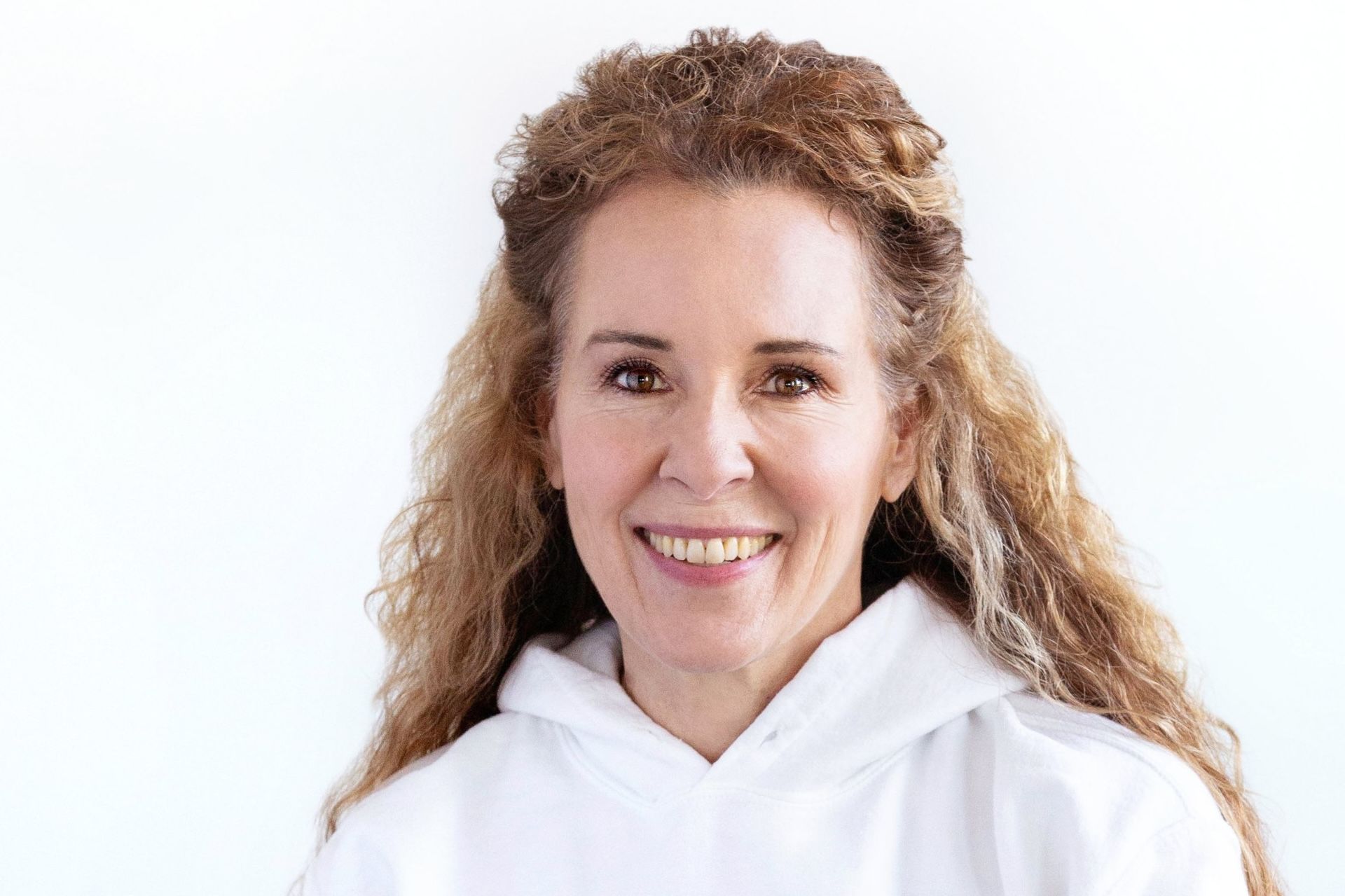
We recently explored these questions with Elizabeth Heller, a mindfulness expert, best-selling children's book author, certified yoga and meditation instructor, journalist, podcast host, and mom. She is the author and co-author of eight books for and about children, as well as a contributing author to four parenting books. Her most recent books are Kids Super Journal and Teen Super Journal.
Elizabeth shared her thoughts about how mindfulness can support our parenting, our own lives, and our children’s futures.
Thank you for connecting with us! As we all know, parenting is hard work! How do you see mindfulness helping in our families and with our children?
We do like to say parenting is ‘hard work’ don’t we? And I find it useful to flesh out what we mean when we say ‘hard work.’ What I believe we often mean is that parenting is a daily practice of staying present with children as they grow, make mistakes, ask questions, choose, and explore their world. I am speaking about the difference between responding to children rather than reacting. And doing so with curiosity and connection and non-judgment. It takes attention and purposeful effort (which is the ‘hard work’) to act as a guide and teacher over a disciplinarian. And teaching is what parenting really is all about.
This is where mindfulness comes in. Mindfulness has become a bit of a buzzword, but it just means paying attention to the present moment without judgment. The non-judgment is key. Once we start judging ourselves, our children, or anyone, we are no longer in a mindful state and are more likely to find ourselves reacting impulsively instead of staying present with what is happening, settling our emotions and making a thoughtful choice.
There is so much wonderful science out there about the benefits of breathing, moving, and journaling—like improved emotional regulation and behavior, increased self-esteem and self-confidence, stress and anxiety reduction, boosting immunity and brain function, and increased engagement and meaning in the classroom. And these benefits begin from the first mindful breath, journal entry, or mindful body movement.
What I really love about all of this is how kids and teens light up when they realize there is something they can do to create their own wellness by simply breathing, moving, or journaling. Once they know there are tools they can use to support themselves, they use them. That’s the practical magic of mindfulness.
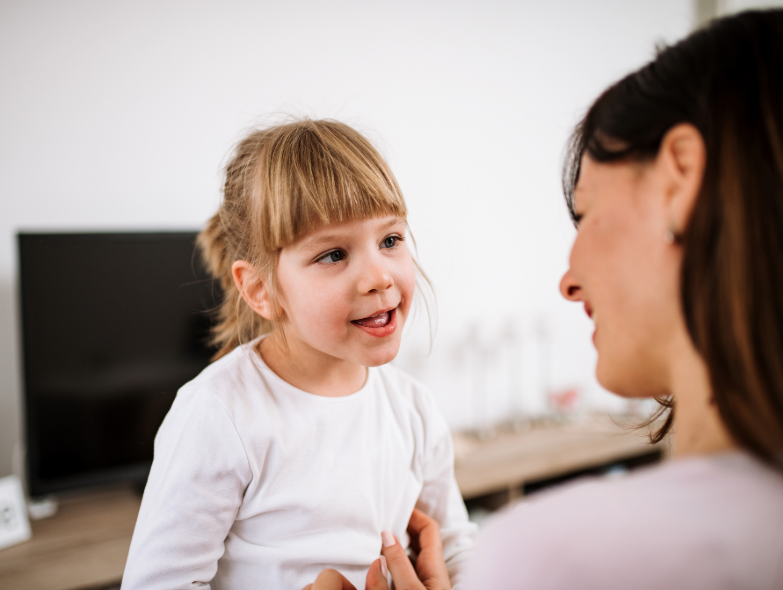
Where do you suggest families begin?
It’s like that cliché about ‘putting on your oxygen mask before assisting others with theirs.’ Parents and caregivers can first take care of themselves by establishing their own mindfulness practice. I love breathwork, body movement, and journaling as a place to begin. These tools don’t cost money and are universally accessible to adults and kids. If you can breathe (which, of course, we all can), you can reap the benefits of mindfulness.
For example, before you get out of bed in the morning, pause and notice any body sensations you might have. Keep noticing the sensation and breathe slowly in and out of your nose three to five times. That’s the golden ticket: putting on your oxygen mask first. It doesn’t require an hour of time. It can happen in a few breaths. The key is a daily, consistent practice. Consistency matters more than the length of time.
You can help kids–at any age–use this practice too. I have taught mindfulness, breathing, and yoga to kids as young as 14 months old with tremendous success. Introduce this when things are going smoothly. You can say: “I learned this amazing thing and I want us to experiment with it. It’s a way to pause and notice things before we make choices.”
Find something (like the weather or a body sensation you are noticing) and say, “I notice I feel a warmth in my heart. I am happy to have breakfast together. I am going to breathe three times and notice my happy warmth.” Then model the breathing and ask if your child would like to try it.
Don’t force the breathing. Just guide kids to try it out and share what they notice.
Once we establish the practice for ourselves and with our kids, everyone can learn to pause, notice, breathe, and then make a choice. We can use our breath anywhere and anytime during the day as a tool to self-manage emotions. You can try this practice on the way to school, before a meal, or before and after brushing your teeth!
Mindfulness is about more than making the day run smoothly. Caregivers and children are learning to notice who they are and what they need at any moment. We are learning to ask for help, practice healthy and open communication, and establish a process for staying connected to each other and to ourselves no matter what body sensations or feelings are present. Plus, teens are more likely to communicate with caregivers later if they have been practicing these tools early on in their development.
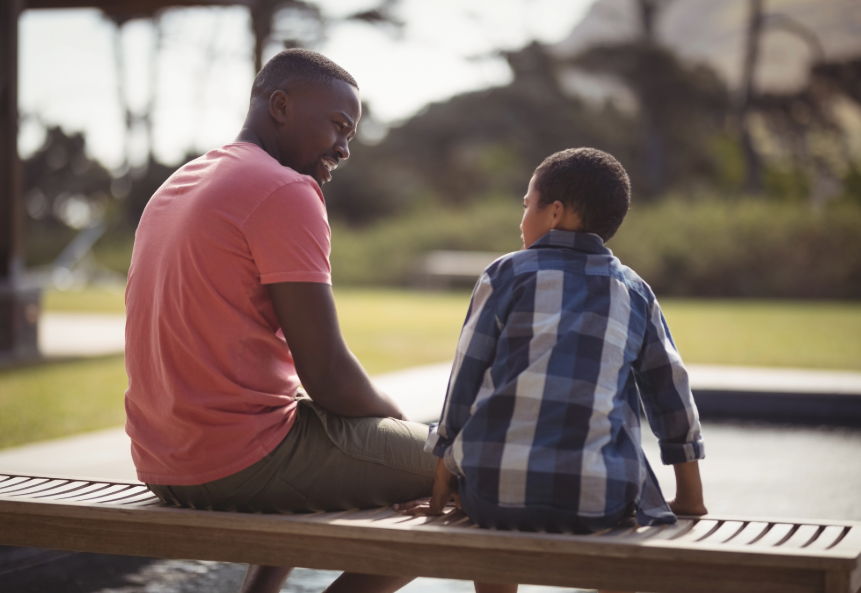
What are some priorities or practices that you uphold for yourself or in your work with children?
Mindfulness is a way of life for me. I had a traumatic and abusive childhood. When I was eight years old, I instinctively picked up a pen and journaled a few sentences about some big feelings that came up for me in a ballet class. It was so empowering to express my feelings and be connected to myself in this way, that I have never stopped journaling. I was also an athlete so I was moving my body all the time and reaping those benefits. And the final piece of my mindfulness puzzle came when I left my martial arts practice due to an ACL tear and started yoga.
The combination of all three—purposeful breathing, body movement, and continued journaling–is for me, a powerful, beautiful way to experience life inside and outside myself. These tools have made me a better communicator because I have the practice of managing my body sensations during challenging conversations. I also absorb the beauty of the moment and share what I notice about others’ beauty. It’s like magic. It’s why I am so dedicated to sharing these practices with families, schools, adults, and kids.
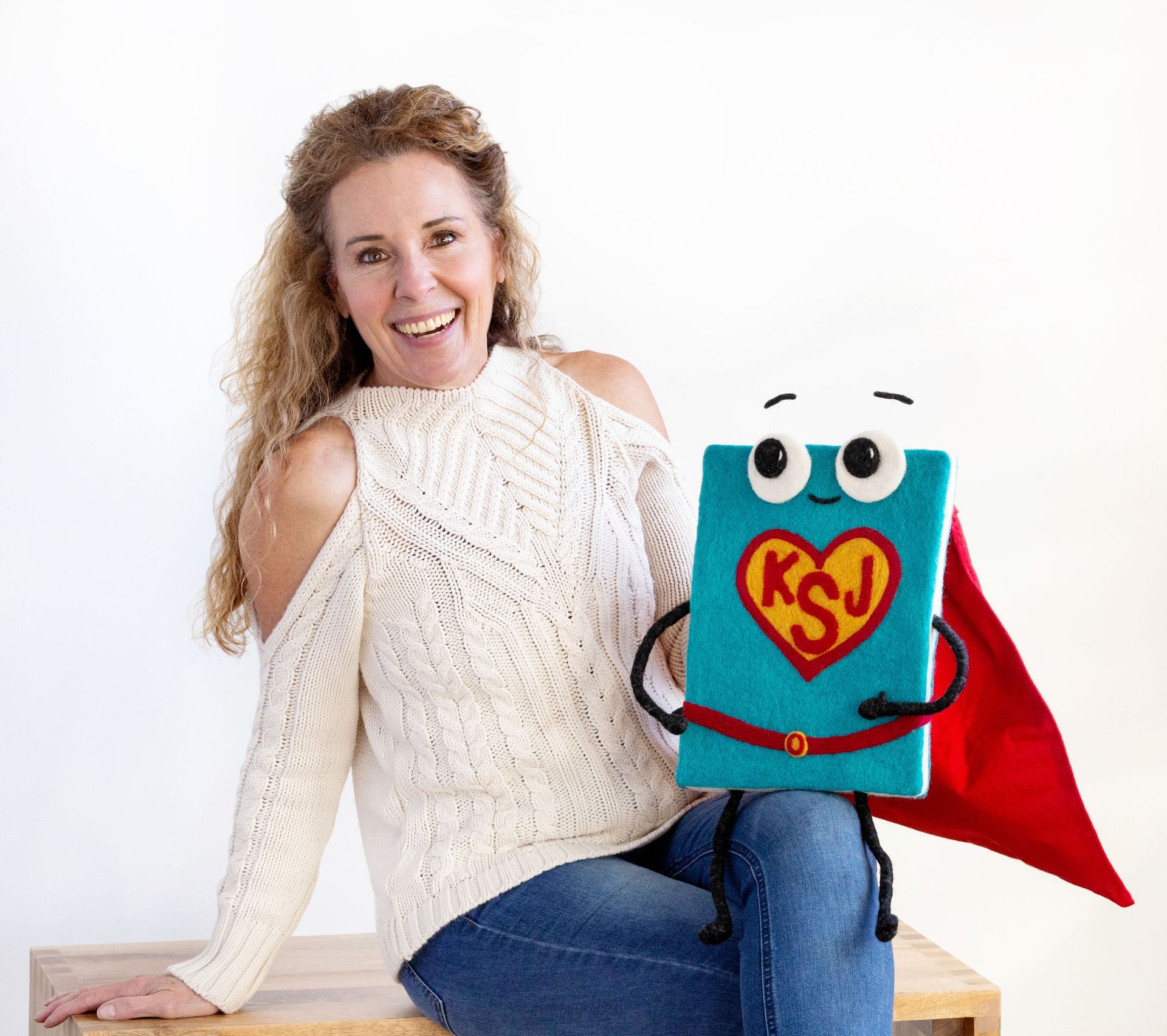
Based on what you know about Montessori principles and practice, how do you see your work with mindfulness and journaling connecting with or supporting what happens in Montessori schools and in Montessori families?
I think about the four “c’s” – curiosity, connection, creativity, and confidence.
We start with curiosity, so our first reaction is curiosity, not anger or yelling. We can notice our feelings: “Oh I feel anger right now. That’s interesting.” We can notice that and be curious. Or we can ask our child, “I’m curious. You were supposed to set the table. What happened?” Our assumption might be they don’t care or they weren’t paying attention, but there might be something else that is important. So it starts with learning to be curious, about the world, about others, and about the self.
Then if you are curious, the next practice is connection. Curiosity can sometimes be unsettling. So kids can learn to connect to themselves first in order to be present and connected to a person, nature, classmates, or to the learning that is happening. If you have a practice of taking a breath, moving your body, and journaling you can stay connected and explore what you need. This can happen with one or two breaths, 5 minutes of journaling, or a quick walk outside. Over time, it becomes almost automatic. Maybe you need to get help, try again, or take a break. In Montessori, children have this gift of being able to meet their needs as they explore learning.
If you have curiosity and stay connected, then you are making space to be creative and try new things. When these three “c’s” are firing, it’s just confidence all over the place.
Children have so much wisdom. Montessori really values learning how to explore the world and yourself in it to learn how to grow and contribute. With mindfulness tools, children can develop the confidence to try new things, make mistakes, learn, and grow. This becomes a powerful, beautiful cycle for being a lifelong explorer in this world. And it all begins with a mindfulness practice for exploring the self.
Subscribe to our Blog
You might also like