A Healthy Relationship with Feedback

In Montessori, we want children to embrace mistakes as opportunities to understand how to improve. Our goal is for children to understand that feedback is important for knowing what still needs to be done and what still can be learned.
What does feedback look like in Montessori classrooms?
We take care to cultivate a culture of feedback. Even at the early childhood level, we start this approach with a gentle noticing that allows children to begin to develop some self-assessment.
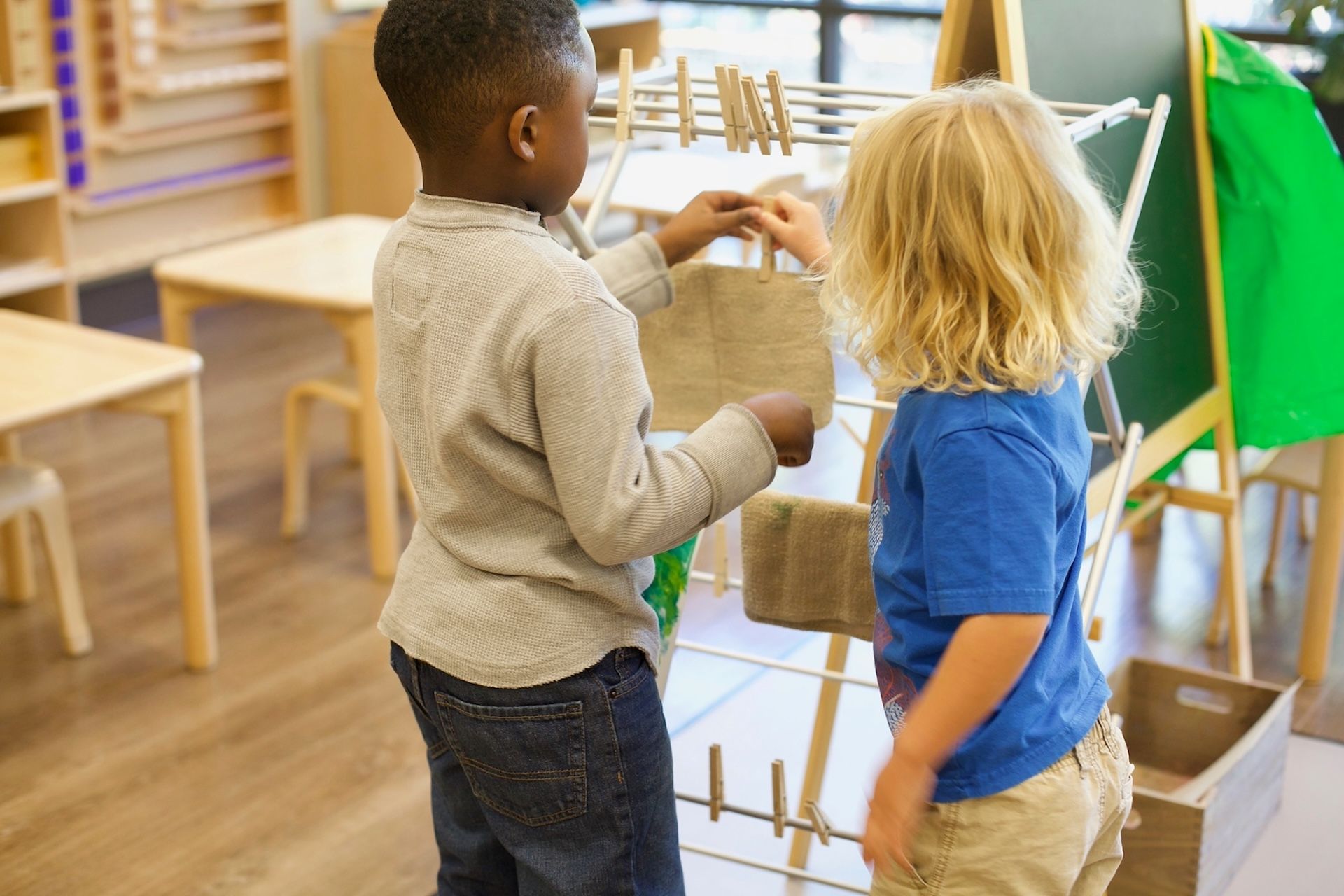
For example, when we see that someone has left their chair out, rather than reminding and instructing by saying something like, “Push in your chair,” we offer an observation, “I see that your chair is out.” By making a neutral observation, we provide children with the chance to notice and make a choice. They can make their own realization: “Oh, I forgot to push my chair in!” As a result, children can have agency in the process.
In social situations, we can use similar reflections. When someone is unkind to a peer, we might say, “It looks like your friend/sibling/classmate is feeling hurt.” We can also wonder aloud: “I wonder what would help them feel better. Should we check?” Or “Would you like some help checking in with them?”
Ultimately, children want to do the right thing. But when we overinstruct or always dictate what should happen, we deprive children of the opportunity to develop their own inner drive to make the right choice and follow through with action.
How does Montessori support self-assessment?
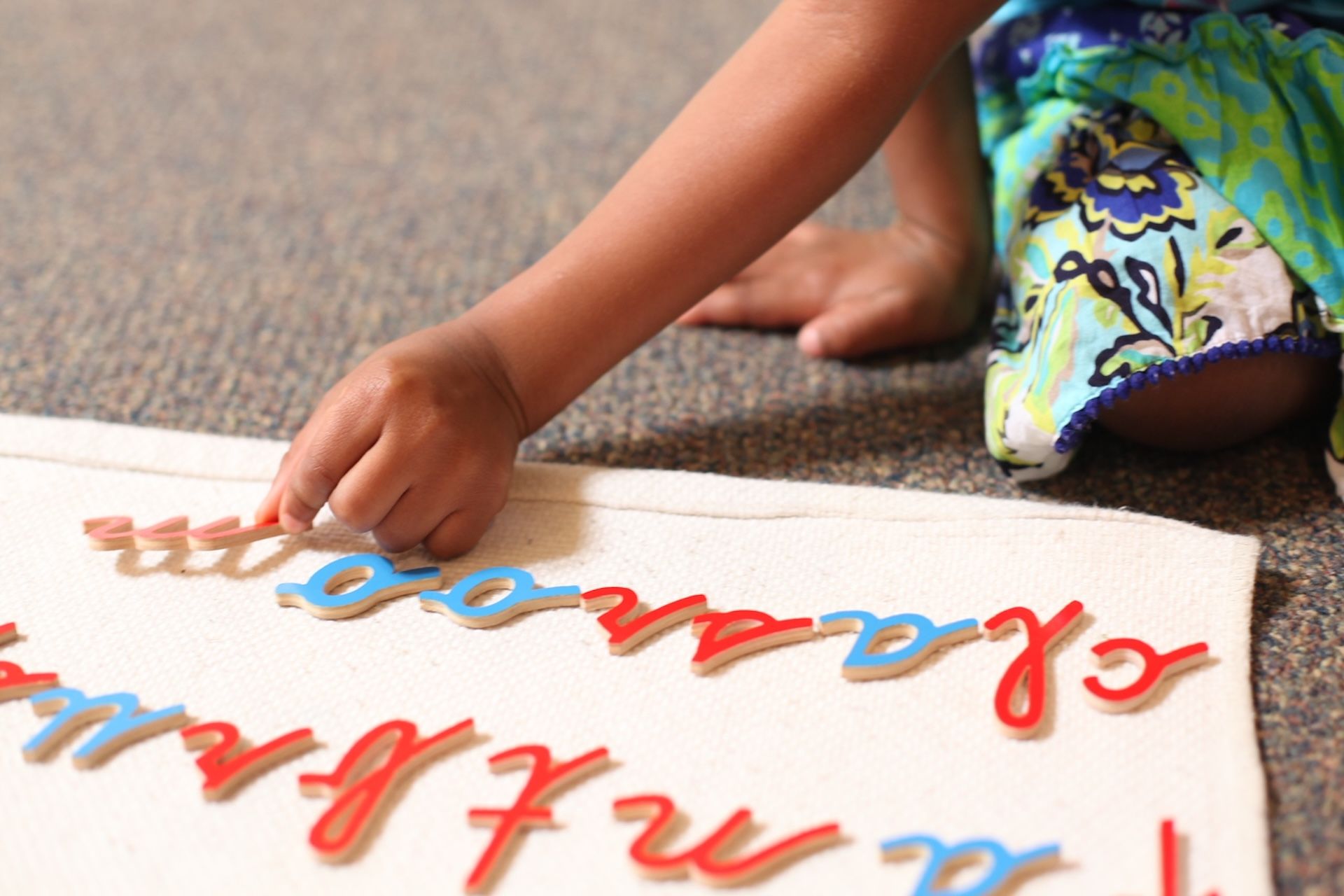
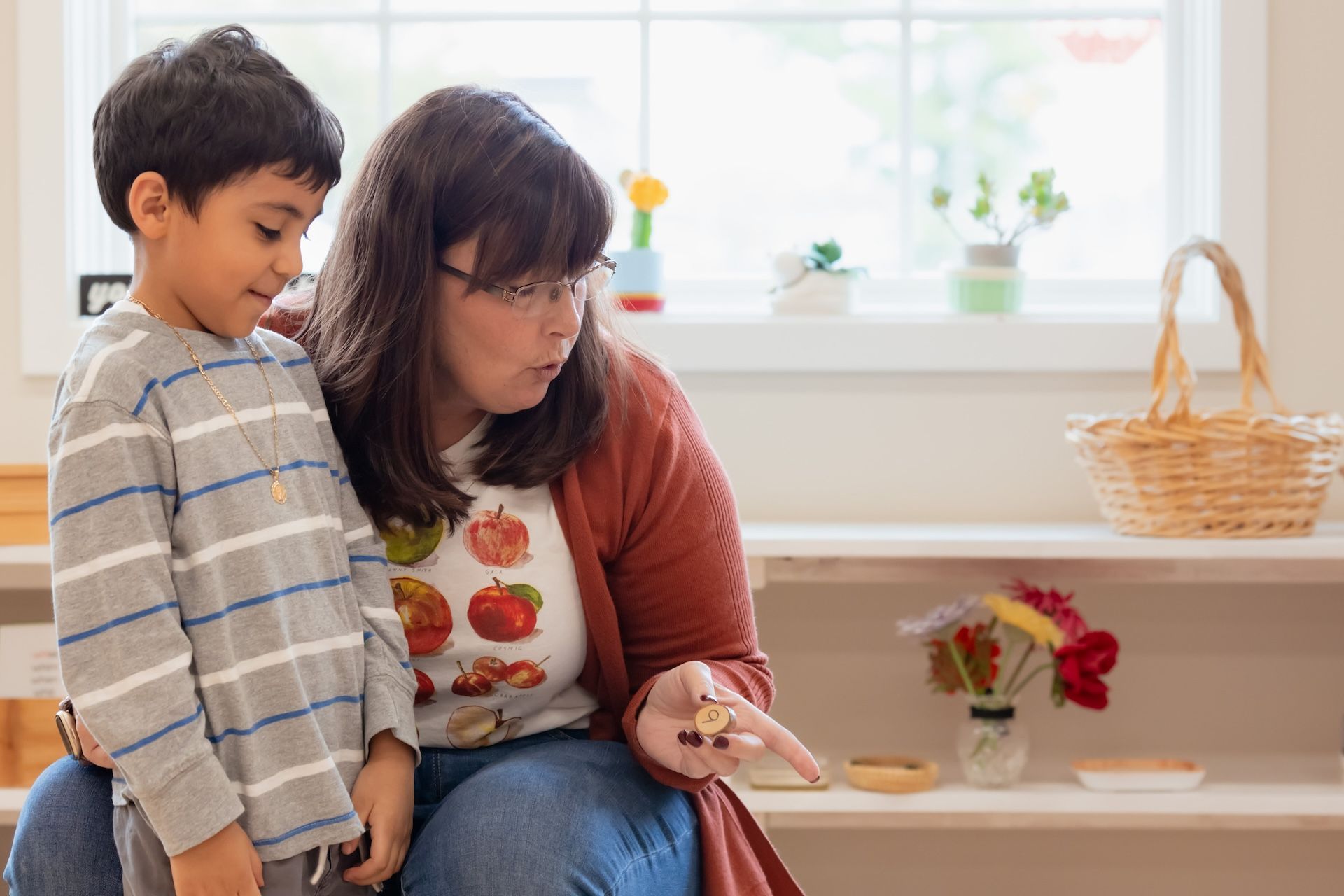
Many of the Montessori learning materials are “self-correcting” or have a built-in “control of error,” which means children can tell if they have done an activity inaccurately and try again without an adult needing to intervene. In our primary classrooms, the sensorial materials offer an excellent example of how the materials help children assess their own mistakes. If the largest cube isn’t used at the base of the pink tower, and then the next largest is placed progressively after, the tower won’t be stable. If the last knobbed cylinder doesn’t fit in the last space in the cylinder block, it’s clear that the pieces need to be rearranged.
Because the materials are designed to give feedback, children begin to learn early on that they can recognize, understand, correct, and learn from mistakes. As the materials get more advanced, children are able to use answer keys to check and correct their work. They can use control cards to see if they have used labels or identification markers accurately. Children are able to take control of their own learning and not rely on adult correction or judgment. The result? Children are motivated to try new things and take risks in their learning.

How does this approach work with more advanced academics?
As children get older and need feedback on essays or other work, we are careful about how we frame our responses. We recognize that our responses can significantly impact motivation, self-esteem, and a love of learning. Therefore, rather than emphasizing failure with red marks and X’s, we emphasize areas for growth.
A focus on growth can start with noticing what is right. For example, perhaps an elementary-aged child is working through a series of geometry lessons and has tried to abstractly determine the area of different shapes. By noticing what has been mastered, we are providing feedback about areas of strength: “Wow! You really aced a number of questions about area. You must feel really confident with calculating the area of squares and rectangles!”
Recognizing what is going well sends a message that students’ efforts are valuable and that their hard work toward mastery has an impact. It’s important to note that this is slightly different than praise. Rather, we are highlighting success instead of focusing on failures. It’s a subtle shift but one that makes a huge difference.
In addition, we ensure that any feedback offers room for students to revise and improve their work. Whether children are working on honing an essay or mastering long division, we ensure that they have the chance to incorporate the information, repeat or revise their attempts, and move toward mastery.
In reality, children love checking and discussing their own answers! Their conversations about mistakes, corrections, and revisions are the place where really fruitful learning often happens. Older children typically enjoy debating and discussing wrong answers with each other. In the process, Montessori students begin to understand mistakes as a place to explore and grow, which ultimately strengthens their critical thinking skills.
Why is a healthy approach to feedback beneficial?
The authors of Thanks for the Feedback: The Science and Art of Receiving Feedback Well researched feedback and found that learning how to receive feedback effectively is key to healthy relationships and our professional lives. We want our students to develop a healthy and positive relationship with feedback so they understand that feedback is a gift that allows us to become better as people and at what we do.
Montessori children develop confidence and self-sufficiency through work with self-correcting materials, thoughtful space for revision and mastery, and intentional messaging from adults. They learn to appreciate opportunities for critical thinking and problem-solving.
We invite you to come see how children embrace opportunities for growth and mastery. Schedule a tour today! We’d love to hear your feedback!
Subscribe to our Blog
You might also like